









There is a message that was never sent, somewhere in a phone, a drawer, or the back of someone’s mind. Maybe it was too honest, too late, or too painful to type out loud. The Unsent Project turned this quiet, universal experience into a public art piece, giving millions of people a place to finally let those words go. What started as one artist’s personal healing exercise has grown into a global archive of heartbreak, regret, love, and closure.
What Is The Unsent Project?
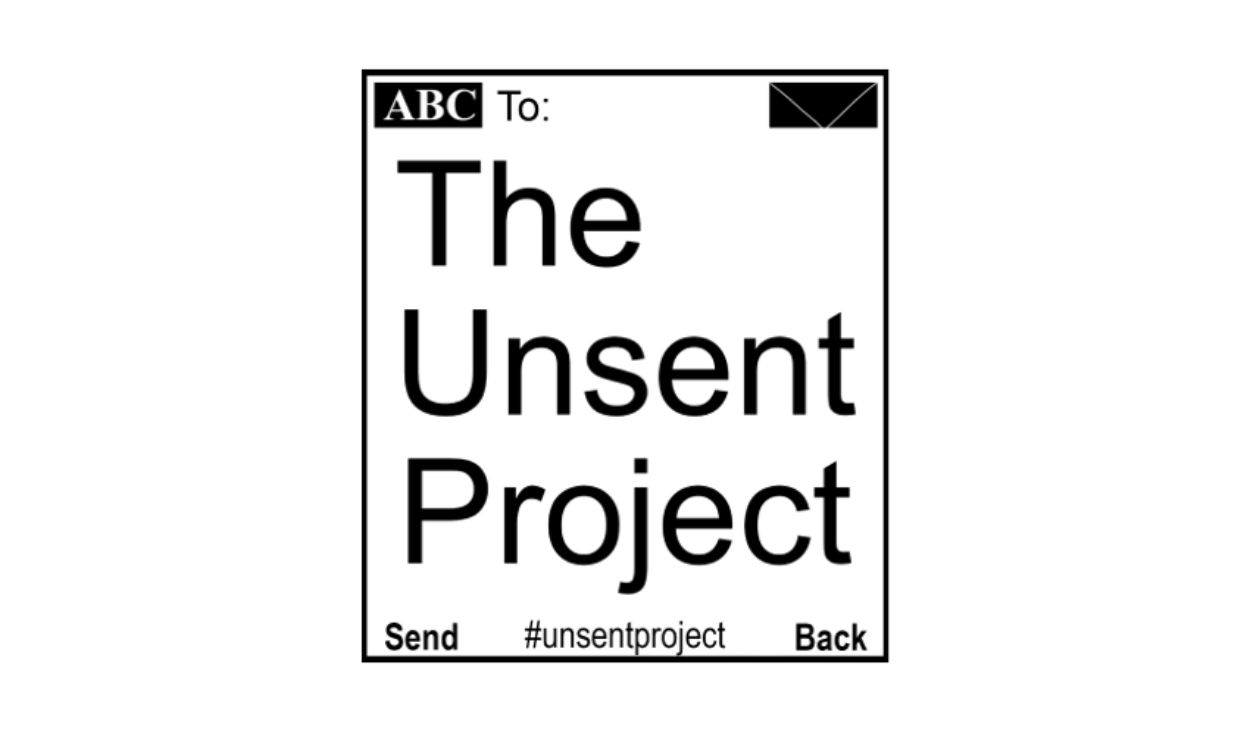
The Unsent Project is an ongoing art initiative that invites people to submit text messages they wrote but never sent to someone significant in their life. Each submission is paired with a single color that represents the person the message was meant for, then displayed as a minimalist photograph combining the color, the initial of the recipient, and the message itself. The result is a visually striking gallery of raw human emotion, stripped of names and context but full of feeling. It has since become one of the most recognizable crowd-sourced art projects on the internet.
Origin and History of The Unsent Project
The project was created by artist Rora Blue, who began collecting unsent texts as a way to process her own unspoken feelings after a breakup. She noticed that assigning a color to each person she thought about helped her separate and understand her emotions more clearly, and she wondered if others might feel the same relief. Blue started posting submissions from friends and strangers on Instagram under the handle @theunsentproject, and the idea quickly resonated far beyond her original circle. Within a few years, the project had received hundreds of thousands of submissions from people all over the world, turning a personal coping mechanism into a shared cultural phenomenon.
How The Unsent Project Works
Participating in The Unsent Project is intentionally simple, which is part of why it has reached such a wide audience. The process removes almost every barrier to entry, allowing anyone with a phone and a feeling to take part.
- Choose a color: Each submitter picks a color that represents the specific person they’re writing to, since the color becomes the visual identity of the message.
- Write the message: The text is written exactly as the person would have sent it, keeping the tone raw and unfiltered.
- Submit online: Messages are sent through the project’s website or social media, usually with just an initial instead of a full name.
- Get featured: Selected submissions are turned into simple graphic posts and shared publicly, giving the anonymous words a visible home.
Why People Send Unsent Messages
People turn to The Unsent Project for reasons that are deeply personal but strikingly common across every submission. Many are processing a breakup, a falling out, or a friendship that faded without explanation. Others are grieving someone who passed away before they got the chance to say a final goodbye. Writing the words down, even without hitting send to a real recipient, offers a sense of release that silence never could.
Common Themes Found in Unsent Messages
While every message is unique, certain emotional threads repeat again and again across the archive, showing just how universal these unspoken feelings really are. Recognizing these patterns is often what makes visitors feel less alone in their own experiences.
- Lost love: Messages to exes and almost-relationships make up a huge portion of submissions, often expressing lingering affection or unanswered questions.
- Grief and loss: Many people write to loved ones who have died, using the project as a way to say things death interrupted.
- Friendship breakups: Messages addressing former best friends reveal how painful non-romantic separations can be.
- Family tension: Unspoken words to parents or siblings often touch on years of unresolved conflict or quiet longing.
- Self-forgiveness: Some submissions are addressed to the writer’s own past self, expressing regret or seeking closure.
The Emotional and Psychological Impact
Psychologists have long noted that expressive writing, even without an audience, can help people process difficult emotions and reduce their intensity over time. The Unsent Project essentially formalizes this practice, giving structure and a sense of ritual to something people might otherwise never write down at all. For many contributors, seeing their own pain reflected in thousands of similar messages provides real comfort. It reframes isolated heartbreak as a shared human condition rather than a personal failure.
The Project’s Popularity on Social Media
The Unsent Project found much of its momentum through Instagram, where its simple color-coded aesthetic made the posts instantly shareable and easy to recognize. The visual consistency, combined with genuinely moving text, made scrolling through the account feel like flipping through someone else’s diary. Over time, the project expanded its reach to other platforms, and its posts have been widely shared, reposted, and discussed across social media. That reach has helped normalize conversations about emotional vulnerability, especially among younger audiences who grew up online.
Criticism and Controversy Surrounding The Unsent Project
No project this large and emotionally charged has escaped scrutiny entirely, and The Unsent Project is no exception. Some critics have questioned how submissions are verified, since anonymity makes it impossible to confirm whether messages are genuine or fictionalized for effect. Others have raised concerns about consent, noting that the person referenced in a message never agrees to have their situation shared, even without their name attached. These conversations don’t erase the project’s value, but they do highlight the ethical complexity of turning private pain into public content.
How The Unsent Project Has Inspired Others
The success of the concept has inspired a wave of similar projects, book adaptations, and even classroom discussions about emotional expression and mental health. Rora Blue has expanded the idea into published photo books, gallery exhibitions, and merchandise that keep the archive alive outside of social media. Other creators have launched their own spinoff accounts focused on niche variations, from unsent voicemails to unsent letters. The ripple effect shows how a deeply personal idea can evolve into an entire genre of confessional art.
Conclusion
The Unsent Project succeeds because it taps into something almost everyone has felt: the weight of words we never said out loud. By turning private, unfinished conversations into shared art, it has given people permission to feel less alone in their silence. Whether viewed as therapy, art, or simply an honest snapshot of human connection, the project remains a powerful reminder that unspoken feelings deserve a place to exist. Sometimes, just writing the message is enough.
FAQs About The Unsent Project
Is The Unsent Project anonymous?
Yes, submissions are shared using only initials or colors, never full names.
Who created The Unsent Project?
The project was created by artist Rora Blue.
How do I submit a message to The Unsent Project?
You can submit through the official website or the project’s social media pages by writing your message and choosing a color for the recipient.
Are all submitted messages published?
No, only a portion of submissions are selected and turned into shareable posts.
Is The Unsent Project only about romantic relationships?
No, it also includes messages about friendships, family, grief, and self-reflection.