








For people who spend their free time on mountain trails, cycling roads, golf courses, or running tracks, a smartwatch should do more than display notifications. It needs to support a changing routine, remain comfortable during movement, and provide useful information without becoming a distraction. That balance is increasingly important for adults between 25 and 45, many of whom combine demanding work schedules with serious outdoor training.
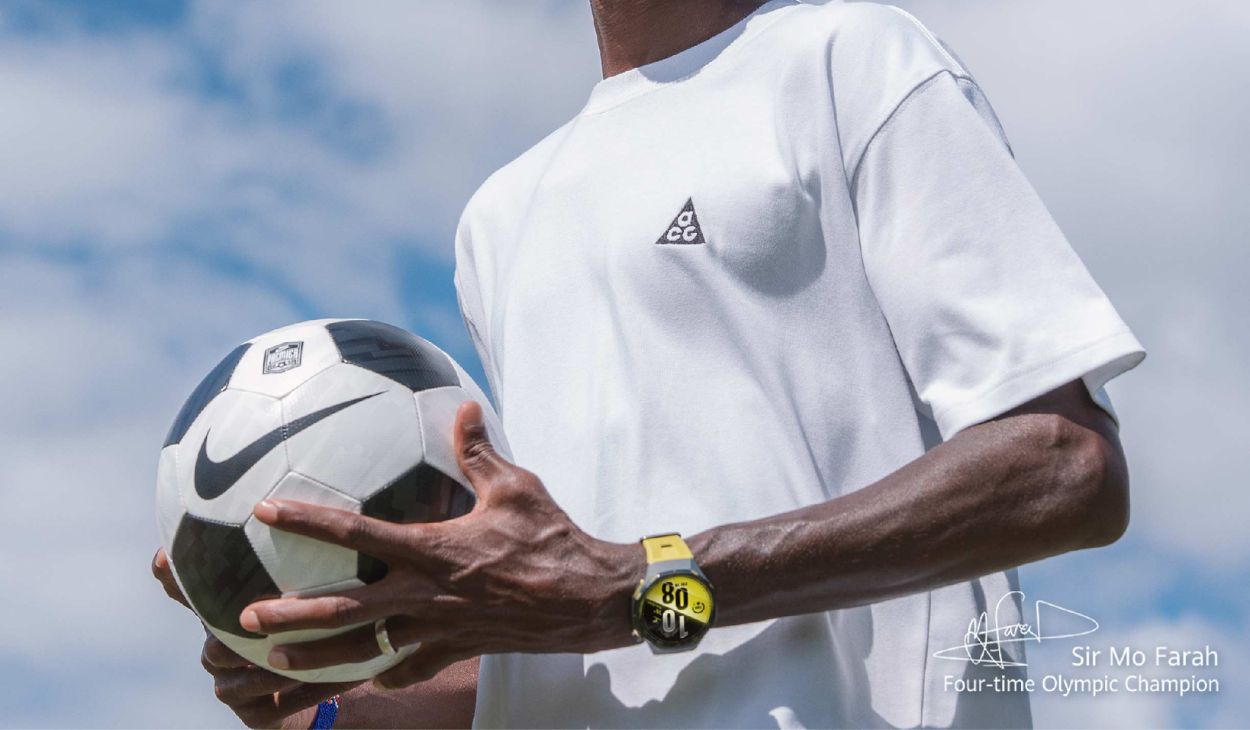
The HUAWEI Watch GT 7 is designed around this lifestyle. Its focus is not limited to one type of athlete or one training environment. Instead, it brings together dedicated skiing and cycling modes, body-status management through the Physical Readiness Score, a practical EasyCross Strap, and a battery designed to last for up to 21 days under suitable usage conditions. The result is a professional-looking sports smartwatch that can move naturally between weekday routines and weekend adventures.
A sports smartwatch for real outdoor routines
Outdoor exercise is rarely as predictable as an indoor workout. A run may become longer than planned, a cycling route may include a steeper climb, and a day on the ski slopes can involve changing weather, varying intensity, and frequent movement. In these situations, useful data should be easy to access and relevant to the activity at hand.
The HUAWEI Watch GT 7 is built to support that kind of flexibility. Its activity-focused design allows users to select a mode that matches their plans, helping them approach training with more structure. Rather than treating every workout as the same, the watch is intended to reflect the demands of different sports and outdoor environments.
For a closer look at the product and its availability, visit the HUAWEI Watch GT 7 product page.
Dedicated skiing and cycling modes
Skiing and cycling place very different demands on the body, yet both require a reliable way to understand performance during movement. The all-new skiing and cycling modes are central features of the watch, giving outdoor enthusiasts a more activity-specific experience.
Skiers often need to manage effort across a full day rather than focus only on one short session. Repeated descents, lift rides, changes in terrain, and cold conditions can all affect how the body feels. A dedicated skiing mode helps create a more relevant training record and supports a clearer view of activity throughout the day. It can also encourage users to think beyond speed and focus on sustainable performance, recovery, and overall workload.
Cycling benefits from a similarly focused approach. Whether a rider is commuting through town, completing a steady weekend ride, or working through a more demanding route, cycling-specific tracking can make each session easier to review. Over time, this information may help riders identify patterns in their training, such as when they tend to push too hard or when a lighter session would be more appropriate.
The value of these modes lies in their ability to make outdoor training more intentional. Data becomes more useful when it is connected to the activity being performed, rather than presented as a generic measurement with little context.
Physical Readiness Score for better daily decisions
Training consistently requires more than motivation. It also requires awareness of when the body is prepared for a demanding session and when it may benefit from a slower pace. Work pressure, poor sleep, travel, and accumulated exercise can all influence daily performance, even when a planned workout looks manageable on paper.
The Physical Readiness Score is designed to support this aspect of body-status management. It gives users a practical reference for considering how ready they may be for exercise on a particular day. This does not replace personal judgment or professional medical advice, but it can encourage a more balanced relationship with training.
For a runner, the score may help frame the decision between intervals and an easier recovery run. For a cyclist, it can provide another consideration before choosing between a long route and a short spin. A golfer might use it as part of a broader routine before spending several hours walking across the course. The purpose is not to remove flexibility from training, but to make planning more informed.
Scientific exercise management is often about making small decisions consistently. Knowing when to increase intensity, maintain a routine, or allow more recovery can be just as important as completing a single challenging workout.
Long battery life for multi-day adventures
Frequent charging can be inconvenient for anyone who spends time outdoors. It is especially frustrating when preparing for a weekend trip, a cycling tour, or several days in the mountains. The watch offers up to 21 days of battery life, depending on settings, usage patterns, and selected functions.
This extended battery performance is useful in several ways. It reduces the need to carry a charger during short trips and makes it easier to maintain continuous records across multiple days. Users can spend more time focusing on their route, technique, or surroundings instead of checking whether the watch needs to be recharged.
Battery longevity also supports a more consistent view of everyday activity. A smartwatch is more helpful when it remains part of a routine rather than being removed frequently for charging. From a morning run to a full day outside, the long-lasting design is intended to keep pace with active schedules.
Of course, actual battery performance varies according to display settings, training frequency, connectivity, and other features. Even so, the emphasis on long endurance makes the watch particularly suitable for people who value independence and do not want technology to interrupt an outdoor plan.
EasyCross Strap for changing activities
Comfort and practicality can influence whether a smartwatch is used every day. A strap that feels suitable during a run may not be the first choice for work, travel, or a relaxed evening. The EasyCross Strap addresses this with a quick-release approach that makes it easier to change the watch’s appearance and wearing style.
For people who move between professional and outdoor settings, this flexibility is valuable. A user might wear the watch with a more understated strap during office hours, then switch to a sport-oriented option before heading out for a ride. The process is designed to be straightforward, allowing the strap to adapt to the schedule rather than requiring a separate device for different occasions.
The strap also complements the idea of a watch that is intended for varied lifestyles. A practical design should support transitions, whether that means leaving work for an evening run, travelling to a ski destination, or preparing for an early golf session.
Useful support for running and golf
Running remains one of the most accessible forms of outdoor exercise, but regular runners often want more than a simple record of distance. They may be interested in building consistency, managing intensity, and understanding how their body responds to different sessions. A smartwatch with sports-focused tools can help create a more organized training habit.
The HUAWEI Watch GT 7 can fit into several types of running routines. Beginners may use it to build confidence and observe their progress over time, while experienced runners can use activity data as part of a more structured plan. The Physical Readiness Score adds another layer by encouraging runners to consider their overall condition before choosing a hard workout.
Golf presents a different kind of challenge. A round may last several hours and involve continuous walking, changes in terrain, and periods of concentration between shots. A smartwatch worn comfortably throughout the day can support an active golfing lifestyle without making the experience feel overly technical. Its sports-oriented design is suitable for users who want to stay connected to their body and daily movement while keeping their attention on the course.
These scenarios show why a versatile outdoor smartwatch can be more useful than a device designed around only one activity. Running, golf, skiing, and cycling require different approaches, but all benefit from consistent awareness of movement and readiness.
Designed for a balanced active lifestyle
A high-end sports smartwatch should feel appropriate in more places than the training ground. Many outdoor enthusiasts do not separate their identity into “work mode” and “sports mode.” They may attend meetings in the morning, cycle home in the evening, and plan a mountain trip for the weekend. The watch needs to fit naturally into all of these moments.
The design language of the GT 7 series supports that balance, while the standard GT 7 focuses on combining sport functions with everyday usability. Its long battery life reduces maintenance, the EasyCross Strap supports personalization, and the activity modes make it relevant for more than casual step counting.
The watch can also encourage users to make their routines more measurable without turning every activity into a competition. A runner may simply want to establish a regular habit. A cyclist may be preparing for a longer personal challenge. A skier may want a clearer record of time spent on the slopes. In each case, the technology works best when it provides context and supports a realistic goal.
Choosing a watch for long-term training habits
When selecting an outdoor smartwatch, it is worth considering how often it will be used, not only what it can do on paper. A device that is difficult to charge, uncomfortable to wear, or limited to one type of activity may not become part of a lasting routine. Features should support regular use in a practical way.
The HUAWEI Watch GT 7 brings together several elements that matter to active adults: activity-specific skiing and cycling modes, Physical Readiness Score management, quick strap changes, and long battery endurance. These features are relevant for users who want to approach outdoor exercise with greater structure while keeping their equipment convenient.
The product is particularly well suited to people who enjoy variety. A single week may include a morning run, an evening cycling session, a golf weekend, or preparations for a ski holiday. Instead of requiring a separate approach for every activity, the watch offers a unified way to keep track of movement and consider daily readiness.
For product details, purchase information, and the available configuration, explore the HUAWEI Watch GT 7 official page.