










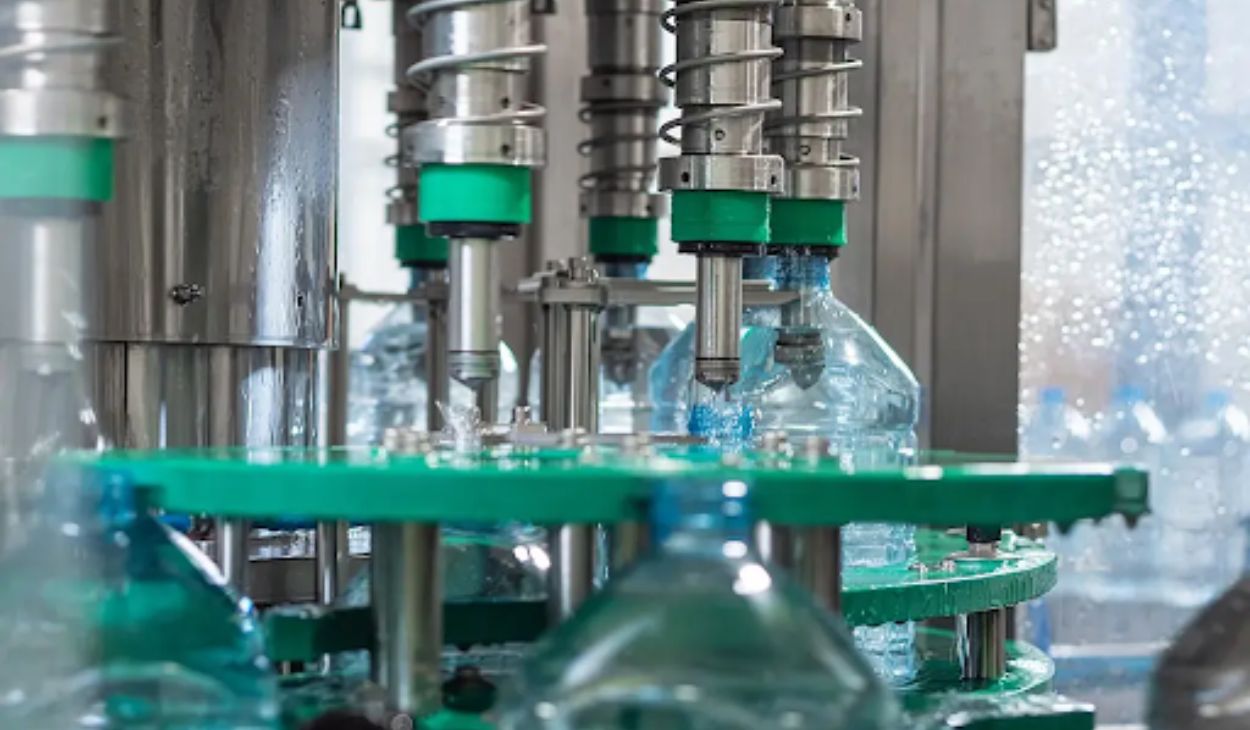
Selecting the right equipment for your production line is one of the most critical decisions a business owner can make. The efficiency of your packaging process directly impacts your bottom line, product quality, and market scalability. With hundreds of options available globally, identifying top-tier partners requires a strategic approach. It is not just about the price tag; it is about finding a manufacturer that understands your specific industry nuances, whether you are bottling beverages, pharmaceuticals, or industrial chemicals. A high-quality filling system ensures consistency, reduces wastage, and minimizes downtime, which are essential components of a profitable operation.
As automation becomes the standard in modern manufacturing, the pressure to upgrade to smarter, faster, and more reliable systems is higher than ever. However, many businesses fall into the trap of choosing suppliers based on proximity or initial cost rather than long-term reliability and technical support. This comprehensive guide is designed to walk you through the essential criteria for evaluation. By focusing on engineering excellence, customization capabilities, and after-sales service, you can secure an investment that grows with your company.
Let’s dive into the seven key factors that will help you distinguish a mediocre supplier from an industry leader.
Assessing Industry Experience and Reputation
Experience is the foundation of mechanical reliability in the packaging sector. When evaluating potential filling machine manufacturers for your facility, it is vital to look at their track record within your specific niche. A manufacturer with decades of expertise will have already solved the common engineering hurdles you face.
Reputation often precedes a brand for a good reason. Look for testimonials, case studies, and industry certifications that validate their claims. A trustworthy partner will be transparent about their previous projects and provide references from clients who operate in similar production environments to yours.
Prioritizing Machine Accuracy and Precision
Precision is non-negotiable when dealing with liquid or powder filling. Even a minor discrepancy in volume can lead to significant financial losses over time or, worse, legal issues regarding labeled weights. The best manufacturers utilize advanced sensors and flow meters to ensure every container is filled perfectly.
Modern systems often feature PLC-controlled interfaces that allow for micro-adjustments. This level of control helps in maintaining high standards of quality assurance. Always ask for a demonstration of the machine’s accuracy rates under peak load to ensure it meets your strict operational requirements.
Evaluating Customization and Scalability Options
Every production line is unique, and a one-size-fits-all approach rarely works. You need a manufacturer that offers tailored solutions, such as adjustable nozzles or modular components. Customization ensures that the machinery fits into your existing floor plan and integrates smoothly with other equipment.
Scalability is equally important for growing businesses. A machine that works for you today should be able to handle increased demand tomorrow. Check if the manufacturer provides upgrade kits or if the system can be easily expanded with additional filling heads as your volume increases.
Technical Support and After-Sales Service
Mechanical equipment will inevitably require maintenance and occasional repairs. Therefore, the level of support provided after the purchase is a deal-breaker. Reliable manufacturers offer comprehensive training for your staff and have a dedicated team of technicians available for troubleshooting.
Ask about the availability of spare parts and the typical lead time for shipping them. A manufacturer with a global distribution network or localized service centers is always a safer bet. Fast response times prevent minor technical glitches from turning into expensive, prolonged production shutdowns.
Material Quality and Construction Standards
The durability of a filling machine depends heavily on the materials used in its construction. Stainless steel (usually 304 or 316L grade) is the industry standard for hygiene and corrosion resistance. High-quality materials ensure the machine can withstand rigorous cleaning cycles and harsh industrial environments.
Check if the components meet international safety and sanitary standards, such as CE, UL, or FDA requirements. Superior build quality not only extends the lifespan of the machine but also ensures that your products remain uncontaminated throughout the entire packaging and sealing process.
Ease of Integration and User Interface
A machine is only as good as the person operating it. A user-friendly interface with intuitive controls reduces the learning curve for your employees. Touchscreen panels with multi-language support and recipe storage capabilities make switching between different product types fast and effortless.
Integration with your existing conveyor belts, cappers, and labelers is another crucial factor. Ensure the manufacturer uses open-source or widely compatible software protocols. This seamless connectivity allows for better data tracking, helping you monitor real-time production metrics and identify bottlenecks instantly.
Total Cost of Ownership (TCO) Analysis
While the initial purchase price is important, the Total Cost of Ownership (TCO) provides a clearer financial picture. This includes energy consumption, maintenance costs, and the price of wear-and-tear parts. A cheaper machine might end up costing more due to frequent breakdowns and high energy bills.
Consider the ROI (Return on Investment) based on the machine’s speed and labor-saving potential. Efficient machines reduce the need for manual intervention, allowing you to reallocate your workforce to more complex tasks. Always balance the upfront investment against the long-term operational savings and efficiency gains.
Frequently Asked Questions
How do I know if a machine is compatible with my product’s viscosity?
Most manufacturers offer testing services where you can send a sample of your liquid. They will run it through their systems to determine which pump or nozzle type (piston, gravity, or vacuum) is best suited for your product’s specific flow characteristics.
What is the average lifespan of a professional filling machine?
With proper maintenance and high-quality construction, a professional-grade filling machine can last 10 to 20 years. Regular servicing and using genuine spare parts from the original manufacturer are key to maximizing the longevity of your industrial investment.
Is it better to buy an automatic or semi-automatic machine?
This depends on your production volume. Semi-automatic machines are great for startups or small batches, requiring manual container placement. Fully automatic systems are essential for high-speed lines where labor costs and human error need to be minimized for maximum efficiency.
Can one machine handle different bottle sizes and shapes?
Yes, most modern filling machines are designed with “tool-less” changeover features. This allows operators to adjust guide rails, nozzle heights, and bottle grippers quickly to accommodate various packaging formats, usually within a matter of minutes.
What certifications should I look for in a manufacturer?
Look for ISO 9001 for quality management, CE marking for European safety standards, and UL for electrical safety in North America. If you are in the food or pharma industry, ensuring the machine follows GMP (Good Manufacturing Practice) guidelines is also vital.
Conclusion
Choosing a filling machine manufacturer is a partnership that defines the future of your production capabilities. By focusing on the seven factors mentioned, experience, precision, customization, support, material quality, ease of use, and TCO you can make an informed decision. The right equipment does more than just fill containers; it provides the stability and speed necessary to compete in a demanding global market. Take your time to vet potential suppliers, request detailed quotes, and prioritize long-term value over short-term savings to ensure your business thrives.