


Imagine someone’s life is in danger, and you can help. Knowing basic lifesaving skills can make a big difference. As a modern professional, these skills are important.
In today’s fast-moving world, it helps to know what to do in an emergency. Skills like CPR, helping someone who is choking, and basic wound care are simple but powerful. They can help you act quickly and safely.
Learning these skills can improve both your personal and work life. Are you ready to learn how to save a life? Let’s explore the basic techniques and tips together.
Understanding Lifesaving Skills
Lifesaving skills encompass a variety of techniques aimed at preserving life during emergencies. These skills can range from basic first aid to more advanced medical protocols.
In workplaces, basic skills like CPR, the Heimlich maneuver, and understanding how to deal with bleeding emergencies can save lives. With proper training, professionals can gain the confidence and ability to act decisively when every second counts.
Learning lifesaving skills is not only about gaining knowledge. It also helps build confidence.
How to Learn Lifesaving Skills
To learn lifesaving skills well, it is best to join formal training programs. Groups like the American Red Cross and St. John Ambulance offer full courses taught by trained instructors.
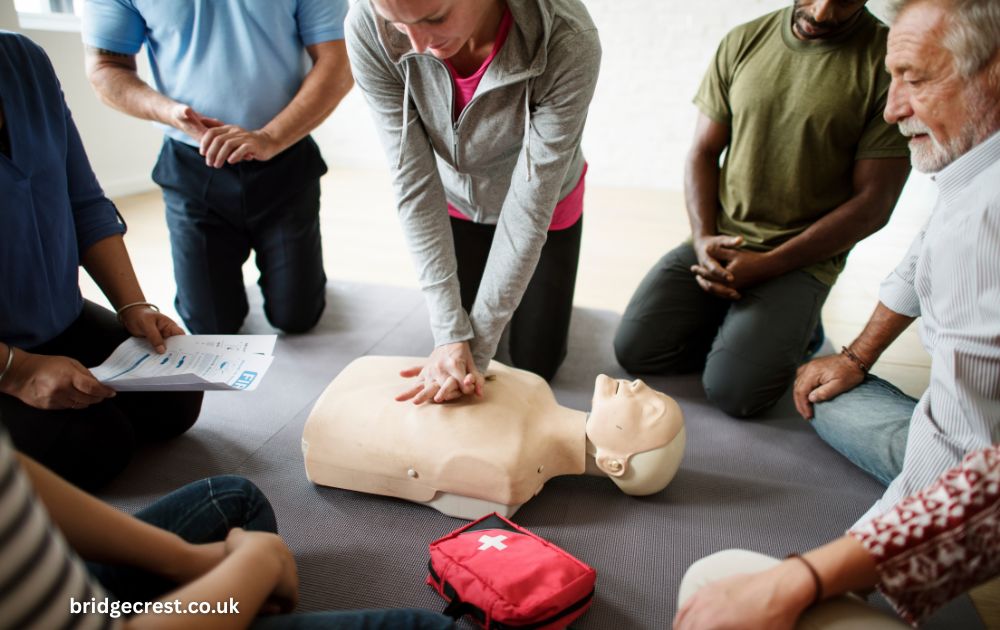
These classes include both lessons and hands-on practice. This helps learners understand the skills and feel more confident using them in real situations.
Online Resources and Workshops
For those who prefer more flexibility, numerous online resources provide valuable information on lifesaving skills. Websites often feature tutorials, videos, and guidelines on basic techniques. While online learning can provide a foundational understanding, practical application is crucial.
It’s beneficial to supplement online learning with real-life practice opportunities, ideally under professional supervision. Many organizations also conduct workshops where participants can learn first aid and other essential skills in a hands-on environment.
Creating a Lifesaving Culture in the Workplace
Fostering a culture of safety requires a collective effort from all employees. Encouraging discussions about safety in team meetings and organizing regular training can keep awareness high.
Providing resources, such as first aid kits and clear emergency procedures, further enhances workplace safety. Moreover, recognizing employees who actively participate in safety training can motivate others to get involved.
Keeping Skills Up to Date
Like any competency, lifesaving skills require regular practice and updates. Most certification programs recommend retaking courses every two years to stay current with the latest guidelines and techniques. This ongoing training not only keeps your skills sharp but also reinforces the importance of safety awareness in the workplace.
The Benefits of Mastering Lifesaving Skills
The ability to respond effectively in emergencies brings numerous benefits. For one, it instills a sense of confidence among employees. Knowing that colleagues are trained can foster teamwork and support during crises.
Additionally, companies that emphasize training often find increased employee morale, as staff feels valued and prepared. Most importantly, the potential to save lives is unparalleled. Your ability to act decisively could be the difference between life and death.
Essential Lifesaving Skills for Today’s Professional
Learning lifesaving skills is very important for today’s professionals. These skills can help save lives and make the workplace safer for everyone. You can start by joining training programs, attending workshops, or using online resources.
Keep practicing so you stay ready to help in an emergency. Together, we can create a safer and healthier environment for everyone.