










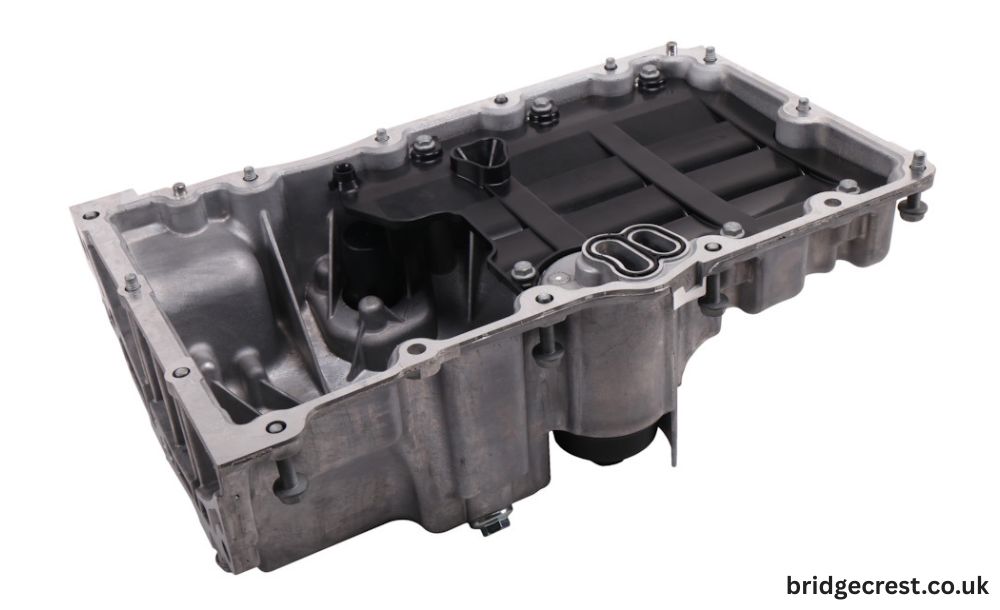
An oil pan is a vital component located at the bottom of a vehicle’s engine, designed to store and collect engine oil when it is not actively circulating. Think of it as a reservoir that ensures oil is always available for lubrication when the engine is running. It is usually made of steel or aluminum and shaped like a shallow container. Without an oil pan, the engine would lack a steady supply of oil, leading to increased friction and overheating. This simple component plays a crucial role in maintaining engine efficiency and longevity.
Why the Oil Pan is Important for Engine Health
The oil pan contributes directly to the overall health of your engine by ensuring proper oil storage and flow. Engine oil reduces friction, prevents wear, and helps dissipate heat from moving parts, and the oil pan is where this process begins. If the oil pan fails or leaks, oil levels drop, putting the engine at serious risk. Even minor issues can lead to long-term damage if ignored. Maintaining a healthy oil pan is essential for ensuring your engine runs smoothly and avoids costly repairs over time.
How an Oil Pan Works in a Vehicle
The oil pan functions as part of a continuous lubrication system within the engine. When the engine starts, an oil pump draws oil from the pan and circulates it through different components such as pistons and crankshafts. After lubricating these parts, the oil drains back into the pan to be reused. This cycle repeats constantly while the engine is running, ensuring all parts stay lubricated. The oil pan acts as both the starting and ending point of this system, making it a central part of engine operation.
Role of the Oil Pan in Lubrication
Lubrication is essential for reducing friction between metal components inside the engine, and the oil pan plays a key role in maintaining this process. By storing oil and supplying it to the pump, it ensures a steady flow throughout the system. Additionally, the oil pan helps cool the oil as it sits before recirculation, preventing overheating. This dual function of storage and cooling enhances engine performance and reliability. Without proper lubrication supported by the oil pan, engine parts would wear out quickly.
Main Components of an Oil Pan System
An oil pan system includes several important components that work together to maintain proper function. These include the oil pan itself, the gasket that seals it, the drain plug used during oil changes, and internal parts like baffles. Each component has a specific role, from preventing leaks to controlling oil movement. If any part fails, the entire system can be affected. Understanding these components helps in identifying issues early and maintaining overall engine health effectively.
Oil Pan Gasket and Its Function
The oil pan gasket is a sealing layer placed between the oil pan and the engine block to prevent oil leakage. Over time, this gasket can wear out due to constant exposure to heat and pressure, leading to leaks. A damaged gasket is one of the most common causes of oil pan problems. Replacing it is usually straightforward but essential to avoid further damage. Keeping the gasket in good condition ensures that the oil remains contained within the system.
Drain Plug and Its Importance
The drain plug is located at the bottom of the oil pan and is used to remove old oil during maintenance. While it may seem like a small component, it plays a critical role in routine oil changes. If the drain plug becomes loose or damaged, it can cause oil to leak out. Ensuring that the plug is properly tightened after every oil change is crucial. Regular inspection of the drain plug can help prevent unexpected oil loss and engine damage.
Types of Oil Pans in Modern Vehicles
Oil pans come in different types depending on the vehicle and its requirements. The most common materials used are steel and aluminum, each offering unique benefits. Steel pans are more durable and resistant to damage, while aluminum pans are lighter and provide better heat dissipation. The choice depends on driving conditions and performance needs. Understanding these types helps vehicle owners make informed decisions when replacing or upgrading their oil pan.
Wet Sump vs Dry Sump Oil Systems
Most vehicles use a wet sump system where oil is stored directly in the oil pan. This setup is simple, cost-effective, and widely used in everyday cars. In contrast, dry sump systems store oil in a separate tank and are typically found in high-performance vehicles. These systems provide better oil control and reduce the risk of oil starvation during extreme driving conditions. While more complex, dry sump systems offer improved efficiency and performance.
Common Oil Pan Problems
Oil pan issues are relatively common and can arise from wear, damage, or poor maintenance. The most frequent problems include oil leaks, cracks, and dents caused by road debris. Since the oil pan is located at the bottom of the engine, it is exposed to potential impacts. Even minor damage can lead to significant issues over time. Identifying and addressing these problems early can prevent more serious engine complications.
Oil Leaks and Their Causes
Oil leaks are one of the most noticeable signs of a problem with the oil pan. These leaks can occur due to a worn gasket, loose bolts, or cracks in the pan itself. You may notice oil spots under your car or a drop in oil levels. Ignoring these signs can lead to reduced lubrication and engine damage. Promptly fixing leaks is essential to maintaining engine performance and avoiding costly repairs.
Physical Damage to the Oil Pan
Because of its position, the oil pan is vulnerable to damage from road hazards such as rocks, speed bumps, and debris. A strong impact can cause dents or cracks, leading to oil leakage. Even a small crack can worsen over time if not addressed. Drivers who frequently travel on rough roads are more likely to encounter this issue. Protecting the oil pan and inspecting it regularly can help prevent such damage.
Symptoms of a Failing Oil Pan
A failing oil pan often shows clear warning signs that should not be ignored. These include oil puddles under the vehicle, a burning oil smell, and low oil levels. In some cases, you may also hear unusual engine noises or see warning lights on the dashboard. These symptoms indicate that the lubrication system is compromised. Taking immediate action can prevent further damage and keep your engine running smoothly.
Causes of Oil Pan Leaks
Several factors can cause oil pan leaks, with the most common being a worn gasket or loose bolts. Over time, heat and pressure can weaken the gasket, allowing oil to escape. External damage from road impacts can also lead to leaks. Poor installation during previous repairs may contribute to the problem as well. Understanding these causes helps in preventing leaks and maintaining a reliable oil system.
Risks of Driving with a Damaged Oil Pan
Driving with a damaged oil pan can have serious consequences for your engine. A leak reduces the amount of oil available for lubrication, increasing friction between moving parts. This can lead to overheating and severe engine damage over time. In extreme cases, it may result in complete engine failure. Addressing oil pan issues promptly is crucial to avoiding these risks and ensuring safe driving.
Oil Pan Maintenance Tips
Maintaining your oil pan is relatively simple but requires regular attention. Inspecting it for leaks, cracks, and loose components can help catch problems early. Keeping the area clean makes it easier to identify issues. Regular oil changes also play a key role in maintaining the system. By following these basic maintenance practices, you can extend the life of your oil pan and engine.
Oil Pan Replacement Cost Overview
The cost of replacing an oil pan varies depending on the vehicle type and the extent of the damage. Factors such as material, labor, and accessibility can influence the overall expense. Aluminum pans are generally more expensive than steel ones, and complex installations can increase labor costs. Understanding these factors helps in budgeting for repairs. Investing in timely replacement can prevent more expensive engine damage in the future.
DIY vs Professional Oil Pan Repair
When dealing with oil pan issues, you may consider repairing it yourself or hiring a professional. DIY repairs can save money but require proper tools and mechanical knowledge. On the other hand, professional repairs ensure accuracy and reliability. For most vehicle owners, professional service is the safer choice. It reduces the risk of mistakes and ensures that the problem is properly resolved.
Conclusion
The oil pan may seem like a simple component, but it plays a crucial role in maintaining engine health and performance. From storing oil to supporting the lubrication system, its importance cannot be overlooked. Regular maintenance and timely repairs can prevent serious issues and extend the life of your engine. By understanding how the oil pan works and recognizing potential problems, you can keep your vehicle running efficiently and avoid costly breakdowns.
FAQs About Oil Pan
1. What is the main function of an oil pan?
The main function of an oil pan is to store engine oil and supply it to the engine for lubrication.
2. How can I tell if my oil pan is leaking?
You can identify a leak by noticing oil spots under your car or a sudden drop in oil levels.
3. Is it safe to drive with a damaged oil pan?
No, driving with a damaged oil pan can lead to engine overheating and serious damage.
4. How often should I check my oil pan?
It is recommended to inspect your oil pan during every oil change or routine maintenance.
5. What causes oil pan damage?
Oil pan damage is usually caused by road debris, impacts, worn gaskets, or poor maintenance.