










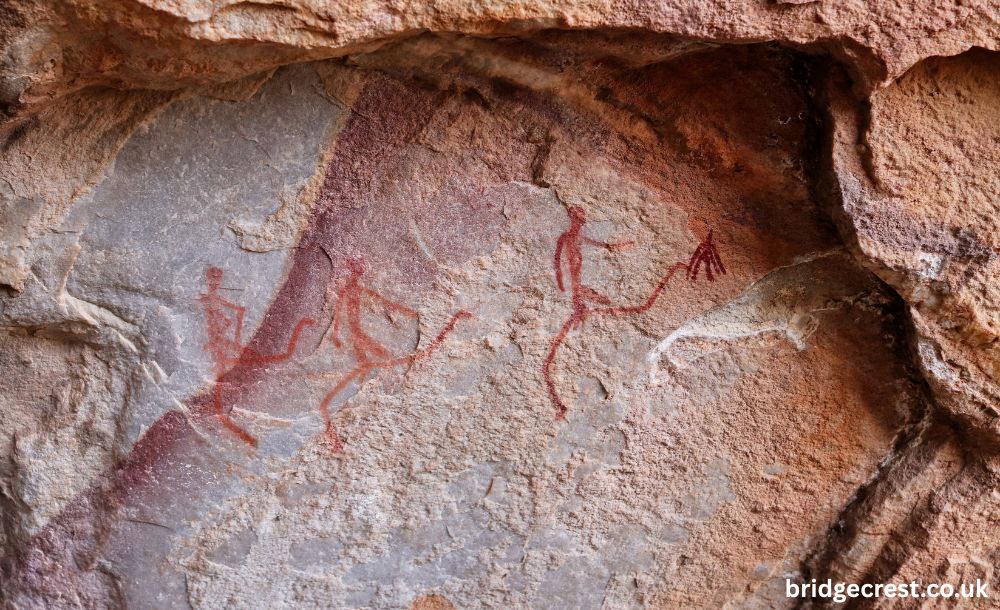
Art in prehistory represents the earliest expressions of human creativity, created long before written language existed. These artworks include cave paintings, carvings, and small sculptures made by early humans using natural materials. Dating back tens of thousands of years, they provide valuable insight into how people once lived, thought, and interacted with their environment. Instead of written records, these visual creations acted as a form of communication and storytelling. When we observe prehistoric art today, we are essentially stepping into the minds of our ancestors and understanding their world through imagery.
What is Art in prehistory?
Art in prehistory refers to any artistic creation made during the time before recorded history, particularly during the Stone Age periods. It includes paintings on cave walls, engravings on rocks, and portable objects like figurines and decorated tools. These creations were not random; they often carried meaning, whether symbolic, spiritual, or practical. Early humans used art to express ideas, emotions, and experiences in a way that words could not yet capture. This makes prehistoric art one of the earliest forms of human communication and creativity.
Why It Matters Today
Understanding prehistoric art is essential because it connects us to our earliest roots as creative beings. It shows that humans have always had the desire to express themselves, even in the most primitive conditions. These artworks reveal how early societies functioned, what they valued, and how they viewed the world around them. They also highlight the evolution of human intelligence and imagination over time. By studying prehistoric art, we gain a deeper appreciation for the role creativity plays in shaping culture and identity.
Timeline of Prehistoric Art
The development of prehistoric art spans several major periods, each reflecting changes in human lifestyle and thinking. From the early Paleolithic era to the more advanced Neolithic period, art evolved alongside human progress. These changes are visible in the themes, techniques, and materials used in artworks. Early art focused heavily on survival-related imagery, while later works became more symbolic and abstract. This timeline helps us understand how human creativity grew and adapted over thousands of years.
Paleolithic Period
During the Paleolithic period, humans created some of the earliest known artworks, particularly cave paintings and small sculptures. These artworks often depicted animals such as bison, horses, and deer, reflecting the importance of hunting in daily life. Artists used natural pigments and simple tools, yet their work showed remarkable skill and attention to detail. Many paintings were created deep inside caves, suggesting they may have had spiritual or ritualistic significance. This period marks the beginning of artistic expression in human history.
Mesolithic Developments
In the Mesolithic period, art began to shift from purely animal representations to more complex scenes involving human activity. Artists started depicting groups of people hunting, dancing, or participating in rituals. This change indicates a growing interest in social life and community experiences. The style of art also became more dynamic, with figures shown in motion and interaction. These developments reflect how human society was becoming more organized and interconnected during this time.
Neolithic Transformations
The Neolithic period brought major changes, including the rise of agriculture and permanent settlements. As a result, art became more symbolic and decorative, often appearing on pottery and tools. Geometric patterns and abstract designs became more common, reflecting new ways of thinking. This shift suggests that art was no longer just about survival but also about identity and cultural expression. The transformation highlights how human creativity adapted to changing lifestyles and environments.
Types of Art in prehistory
Prehistoric art can be categorized into several main types, each representing different methods of expression. These include cave paintings, rock carvings, and portable art objects. Each type served a unique purpose and was created using different techniques and materials. Together, they provide a comprehensive view of how early humans expressed themselves visually. Exploring these types helps us understand the diversity and richness of prehistoric creativity.
Cave Paintings
Cave paintings are among the most iconic forms of prehistoric art, found in locations around the world. These paintings often feature animals, handprints, and abstract symbols, created using natural pigments. Many were located deep inside caves, away from everyday living spaces, suggesting a special purpose. The use of color and shading shows a surprising level of artistic skill. These artworks continue to captivate researchers and visitors alike with their beauty and mystery.
Rock Carvings and Engravings
Rock carvings and engravings involve cutting or scratching designs into stone surfaces. Unlike paintings, these artworks rely on texture and depth rather than color. They can be found both inside caves and in open landscapes, making them more widely distributed. Many carvings feature patterns, symbols, and occasionally animals or human figures. Their durability has allowed them to survive for thousands of years, offering valuable insights into early human expression.
Portable Art Objects
Portable art objects include small items such as figurines, tools, and decorative pieces that could be carried from place to place. These objects often held personal or cultural significance, possibly used in rituals or daily life. One well-known example is the Venus figurines, which represent human forms and may symbolize fertility. The portability of these items suggests that art was integrated into everyday activities. This type of art highlights the personal and practical aspects of prehistoric creativity.
Materials and Techniques Used
Prehistoric artists relied on natural resources available in their environment to create their artworks. They used minerals, charcoal, and other organic materials to produce pigments. Tools were simple but effective, including sticks, bones, and even fingers. Despite these limitations, artists developed innovative techniques to achieve impressive results. Their ability to create lasting art with basic materials demonstrates remarkable creativity and adaptability.
Natural Pigments
Natural pigments were essential for creating prehistoric paintings, providing a range of colors from the environment. Red and yellow came from iron-rich minerals like ochre, while black was often made from charcoal. These pigments were mixed with water, fat, or plant juices to create paint. The colors have remained vibrant over thousands of years, showing the effectiveness of these natural materials. This use of simple resources highlights the ingenuity of early artists.
Tools and Methods
The tools used in Art in prehistory were basic but versatile, allowing artists to experiment with different techniques. They used fingers for direct application, sticks for drawing, and hollow bones to spray paint onto surfaces. Some artists even used the natural contours of cave walls to create depth and movement. These methods show a deep understanding of both materials and surfaces. It’s impressive how such simple tools could produce such complex and expressive artworks.
Famous Examples of Prehistoric Art
Several prehistoric sites around the world are famous for their remarkable artworks and historical significance. These locations provide valuable evidence of early human creativity and skill. They attract researchers and tourists who want to explore the origins of art. Studying these examples helps us understand the techniques and themes used by ancient artists. They serve as important cultural and historical landmarks.
Lascaux Cave Paintings
The Lascaux caves in France are known for their detailed and vibrant paintings of animals. These artworks include images of horses, bulls, and deer, created with impressive accuracy and movement. The caves are often referred to as a masterpiece of prehistoric art. Their discovery changed how people viewed early human capabilities. Lascaux remains one of the most significant examples of ancient artistic achievement.
Altamira Cave Art
Altamira in Spain is another famous site, known for its vivid depictions of bison. These paintings were among the first to be recognized as prehistoric art, challenging earlier assumptions about human intelligence. The use of shading and perspective adds depth to the images. Altamira’s artwork demonstrates the advanced skills of early artists. It continues to be an important reference point in the study of prehistoric creativity.
Themes and Symbolism
Prehistoric art often reflects themes that were important to early human life, such as survival, nature, and spirituality. Animals are the most common subjects, indicating their central role in daily existence. Symbols and abstract patterns also appear, suggesting deeper meanings. These themes provide clues about how early humans understood their world. They show that art was not just decorative but also meaningful and purposeful.
Purpose of Prehistoric Art
The purpose of prehistoric art is still debated, but most researchers agree it served multiple functions. It may have been used in rituals, storytelling, or as a form of communication. Some believe it helped with hunting by symbolically capturing animals. Others think it played a role in spiritual or religious practices. Regardless of its exact purpose, it clearly held significant meaning for those who created it.
Global Distribution of Prehistoric Art
Prehistoric art has been discovered across the globe, showing that creativity was a universal human trait. From Europe and Asia to Africa and Australia, similar artistic expressions appear in different regions. This suggests that art developed independently in multiple places. The widespread presence of prehistoric art highlights its importance in human development. It also connects different cultures through shared creative instincts.
Scientific Discoveries and New Insights
Recent discoveries continue to reshape our understanding of prehistoric art and its origins. Advanced dating techniques have revealed that some artworks are older than previously believed. New findings in regions like Southeast Asia suggest that art developed earlier and more widely than once thought. These insights challenge traditional views and open new areas of research. They show that the story of prehistoric art is still evolving.
Impact on Modern Art and Culture
Prehistoric art has had a lasting influence on modern art and cultural expression. Its simplicity, symbolism, and connection to nature inspire contemporary artists and designers. Many modern art movements draw inspiration from these ancient forms. It reminds us that creativity does not depend on advanced tools or technology. Instead, it comes from imagination and the desire to express ideas.
Conclusion
Art in prehistory offers a fascinating glimpse into the origins of human creativity and communication. It shows how early humans used visual expression to understand and share their experiences. These artworks connect us to our past and remind us of our shared humanity. They demonstrate that creativity has always been a fundamental part of human life. Exploring prehistoric art allows us to appreciate the depth and richness of our cultural heritage.
FAQs About art in prehistory
- What is prehistoric art?
Prehistoric art includes paintings, carvings, and objects created before written history, mainly during the Stone Age. - Why is prehistoric art important?
It helps us understand early human life, culture, and the development of creativity and communication. - What materials were used in prehistoric art?
Artists used natural materials like charcoal, ochre, and minerals to create pigments. - Where can prehistoric art be found?
It has been discovered worldwide, including Europe, Asia, Africa, and Australia. - What were the main themes of prehistoric art?
Common themes include animals, human figures, nature, and symbolic patterns.