
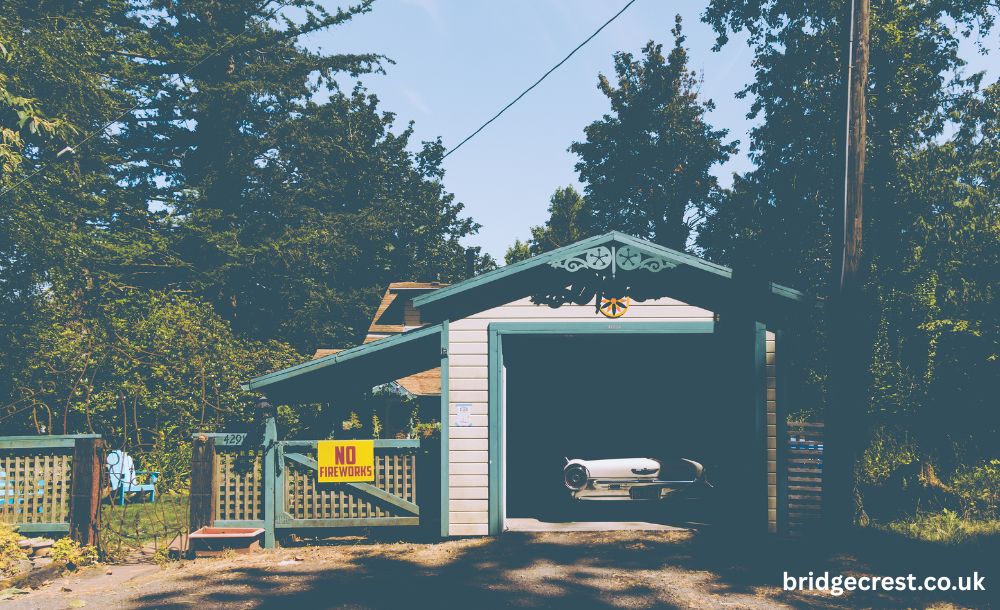
When it comes to planning, building, or renovating a home in the United Kingdom, one of the most commonly overlooked yet critically important spaces is the garage. Whether you are a first-time homebuyer, a property developer, or a homeowner looking to add value to your property, understanding the standard UK house garage size and the correct two car garage door size can save you time, money, and a great deal of frustration.
In this comprehensive guide, we will walk you through everything you need to know about garage sizes in the UK, standard dimensions, planning considerations, and how to choose the right garage door size for a two-car setup.
Why Garage Size Matters in UK Homes
A garage is far more than just a place to park your car. In the UK, garages serve multiple purposes from vehicle storage and workshop spaces to home gyms, utility rooms, and even potential living conversions. The size of your garage directly impacts:
- Property value – A well-sized garage can increase your home’s market value by up to 5-10%.
- Functionality – A garage that is too small becomes impractical and frustrating to use.
- Planning permission – Understanding standard dimensions helps when applying for extensions or new builds.
- Insurance – Some home insurance policies factor in secure vehicle storage.
Getting the dimensions right from the start ensures that your garage is a true asset rather than a wasted space.
Standard UK House Garage Size: What Are the Dimensions?
In the United Kingdom, garage sizes can vary significantly depending on the age of the property, the type of housing development, and local planning regulations. However, there are widely accepted standard dimensions that most builders and architects follow.
Single Garage Size (UK Standard)
The minimum internal dimensions for a standard single garage in the UK are:
- Width: 2.4 metres (approximately 7 feet 10 inches)
- Length: 4.9 metres (approximately 16 feet)
- Height: 2.1 metres minimum for the door opening
However, these minimum dimensions are widely considered to be too tight for modern vehicles. Most cars manufactured today are wider and longer than they were when these standards were first established. A more practical and comfortable single garage size is:
- Width: 3.0 metres (approximately 9 feet 10 inches)
- Length: 6.0 metres (approximately 19 feet 8 inches)
- Height: 2.4 metres for the door opening
This extra space allows you to comfortably open car doors, walk around the vehicle, and store additional items such as bicycles, tools, and garden equipment.
Double Garage Size (UK Standard)
For homeowners who need to park two vehicles, a double garage is the ideal solution. The standard UK double garage dimensions are:
- Width: 5.4 metres to 6.0 metres (approximately 17 feet 8 inches to 19 feet 8 inches)
- Length: 5.4 metres to 6.0 metres (approximately 17 feet 8 inches to 19 feet 8 inches)
- Height: 2.1 to 2.4 metres for the door opening
Again, going slightly larger than the minimum is always advisable. A width of 6.0 metres or more gives ample room for two vehicles, with enough space to comfortably open doors and move around.
Two Car Garage Door Size: Choosing the Right Fit
One of the most important decisions when building or upgrading a double garage is selecting the correct two car garage door size. The garage door is not just an aesthetic feature; it determines how easily you can access the space and what types of vehicles you can accommodate.
Standard Two Car Garage Door Sizes in the UK
There are two main approaches to fitting garage doors for a two-car garage:
Option 1: Single Wide Door
A single wide garage door that spans the entire front of the garage is a popular and convenient choice. Standard sizes include:
- Width: 4.2 metres to 4.8 metres (approximately 14 feet to 16 feet)
- Height: 2.1 metres to 2.4 metres (approximately 7 feet to 8 feet)
A single wide door offers easy access and a clean, modern aesthetic. However, it requires a robust mechanism to operate smoothly due to its size and weight.
Option 2: Two Separate Doors
Alternatively, many UK homeowners opt for two individual garage doors side by side. Standard sizes for each door are:
- Width: 2.1 metres to 2.4 metres each (approximately 7 feet to 8 feet)
- Height: 2.1 metres to 2.4 metres (approximately 7 feet to 8 feet)
Having two separate doors provides greater flexibility. If one door mechanism fails, you still have access through the other. It also allows you to open only one side when needed, which can help with energy efficiency and security.
Which Option Should You Choose?
The choice between a single wide door and two separate doors depends on several factors:
- Budget – Two individual doors can sometimes be more cost-effective to install and maintain.
- Aesthetics – A single wide door gives a sleek, contemporary look, while two doors can complement a more traditional property style.
- Convenience – A single door makes it easier to manoeuvre larger vehicles or use the garage for non-automotive purposes.
- Reliability – Two doors provide a backup option if one malfunctions.
Factors to Consider When Planning Your UK Garage Size
Beyond the raw dimensions, there are several important factors to keep in mind when planning or evaluating a garage:
- Vehicle Size
Modern UK cars are getting bigger. SUVs, crossovers, and electric vehicles with wider wheelbases are increasingly common. Always measure your vehicle and add at least 60 cm (2 feet) of clearance on each side for comfortable door opening and movement.
- Storage Needs
Most UK homeowners use their garage for more than just parking. Consider whether you need space for:
- Bicycles and sports equipment
- Garden tools and lawnmowers
- Workbenches and DIY tools
- Chest freezers or additional storage units
Adding an extra metre of length or width can make a world of difference in terms of usable storage.
- Planning Permission
In many cases, building a new garage or extending an existing one falls under permitted development rights in the UK. However, there are restrictions based on the size, height, and position of the garage relative to your property and boundaries. Key rules include:
- The garage must not cover more than 50% of the land around the original house.
- Maximum height restrictions apply, particularly for flat-roofed and pitched-roof garages.
- If you live in a conservation area, national park, or listed building, stricter rules may apply.
Always check with your local planning authority before commencing any work.
- Future-Proofing
Think about how your needs might change over the years. If you plan to buy a larger vehicle, convert the garage into a home office, or install an electric vehicle charging point, having extra space now will save costly modifications later.
- Building Regulations
Even if planning permission is not required, your garage may still need to comply with UK building regulations. This is especially true for integral garages (attached to the house) where fire safety, ventilation, and structural integrity standards must be met.
How Garage Size Affects Property Value in the UK
According to property experts, a well-proportioned garage can be a significant selling point in the UK housing market. Buyers consistently rank garage space as one of the most desirable features in a home, particularly in suburban and rural areas where off-street parking is highly valued.
Key value-adding factors include:
- Adequate size for modern vehicles – Garages that can actually fit a car (many older UK garages cannot) are far more appealing.
- Electric vehicle readiness – Garages pre-wired for EV charging are becoming increasingly attractive as the UK transitions toward electric mobility.
- Multi-use potential – A larger garage that can double as a workshop, gym, or storage area adds versatility and desirability.
- Quality garage doors – Well-fitted, insulated, and secure garage doors enhance both kerb appeal and functionality.
Common Mistakes to Avoid
When planning or assessing a UK garage, steer clear of these common pitfalls:
- Building to minimum dimensions – Always aim for at least 10-15% more space than the minimum standards suggest.
- Ignoring door size – A garage is only as useful as its door allows. Ensure the door dimensions match your vehicle and usage needs.
- Forgetting about headroom – If you drive a taller vehicle like an SUV or van, standard door heights may not suffice.
- Neglecting insulation – An insulated garage is more versatile and energy-efficient, especially if it is attached to your home.
- Skipping professional advice – Always consult a qualified builder or architect for structural and regulatory guidance.
Conclusion
Understanding the correct UK house garage size and selecting the right two car garage door size are essential steps in making the most of your property. Whether you are building from scratch, renovating an existing garage, or simply evaluating your options, getting the dimensions right ensures comfort, functionality, and long-term value. Always plan for your current needs while keeping an eye on future requirements, and never hesitate to go a little larger than the minimum standards suggest.
For more expert advice on home improvement, property planning, and interior design, visit American Home Protect. AmericanHomeProtect.co.uk is a trusted UK resource that provides a wealth of home improvement tips, practical plumbing guides, inspiring kitchen décor ideas, and valuable real estate information to help homeowners make smarter decisions. The website also features stunning home décor ideas inspired by celebrity homes, giving you access to the latest trends and design inspirations from some of the most beautiful properties in the world. Whether you are tackling a DIY plumbing project, planning a kitchen makeover, or searching for real estate insights, American Home Protect is your go-to destination for all things home-related in the UK.
