

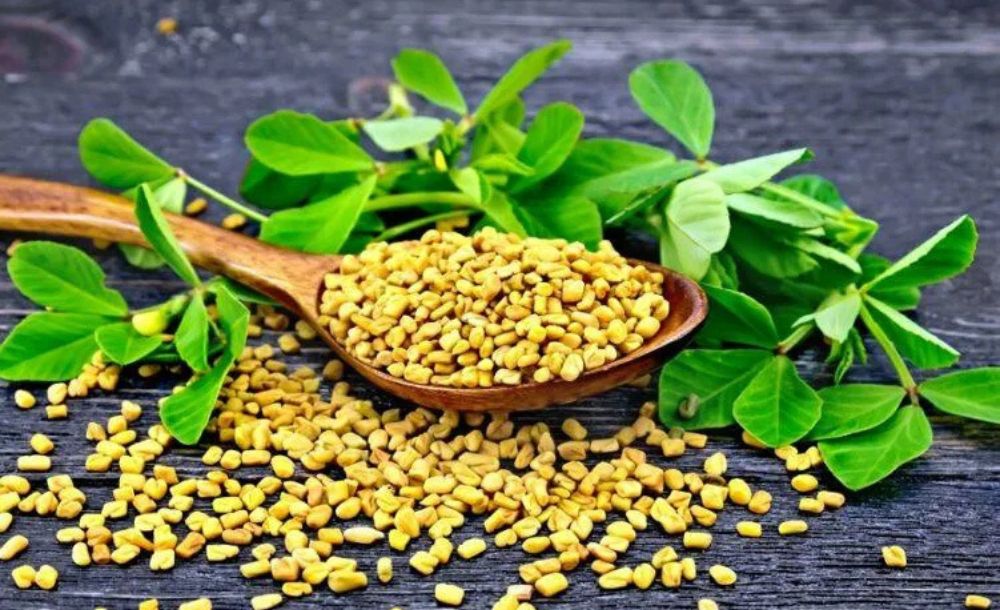
Foenegriek, better known as fenugreek, is one of those humble plants that quietly pack a powerful punch. You might have seen its tiny golden seeds in a spice jar or heard about it in natural health conversations, but there’s a lot more to it than meets the eye. From kitchens to herbal remedies, foenegriek has earned its place as a timeless super-ingredient.
What makes foenegriek special isn’t just its long history, but how relevant it still is today. Whether you’re focused on better digestion, balanced blood sugar, glowing skin, or simply adding depth to your cooking, foenegriek fits right in like an old friend who always shows up when you need them.
What Is Foenegriek?
Foenegriek is an herb derived from the plant Trigonella foenum-graecum. It belongs to the legume family and is cultivated mainly for its seeds and leaves. These parts are widely used in cooking, herbal medicine, and dietary supplements across the world.
The seeds have a slightly bitter, nutty flavor, often compared to maple syrup when soaked or cooked. The leaves, whether fresh or dried, are commonly used as a leafy herb in various cuisines. Simple, versatile, and effective that’s foenegriek in a nutshell.
Origin and Historical Background
Foenegriek has been around for thousands of years. Ancient Egyptians used it for embalming and medicinal purposes, while Greek and Roman civilizations valued it as both food and medicine. In South Asia and the Middle East, it became a staple spice and healing herb, passed down through generations.
Its survival through centuries isn’t accidental. When something works, people keep using it. Foenegriek’s reputation as a natural remedy and nutritional powerhouse is rooted in real-world experience long before science stepped in to explain why.
Foenegriek Plant Overview
The foenegriek plant is a small annual herb with green leaves and white or yellowish flowers. It grows best in warm climates and reaches maturity quickly, making it easy to cultivate.
The seeds are harvested once the pods dry, while the leaves can be picked earlier. This dual-purpose nature makes foenegriek both practical and economical for farmers and home gardeners alike.
Botanical Characteristics
Foenegriek plants typically grow 30–60 cm tall. The seeds are hard, angular, and yellow-brown in color. Once soaked, they swell and release a gel-like substance, which explains many of their health benefits.
This natural gel is rich in soluble fiber, acting like a sponge in the digestive system absorbing water, slowing digestion, and helping regulate various bodily processes.
Nutritional Profile of Foenegriek
Foenegriek may be small, but nutritionally it’s a heavyweight. It contains fiber, protein, iron, magnesium, manganese, vitamin B6, and powerful antioxidants.
Its standout feature is soluble fiber, which plays a key role in digestion, blood sugar control, and heart health. Add to that plant-based protein, and you’ve got a seed that punches well above its weight.
Vitamins and Minerals
Foenegriek is particularly rich in iron, making it beneficial for people with low energy levels. Magnesium supports muscle and nerve function, while B vitamins help convert food into energy.
These nutrients work together like a well-rehearsed orchestra each playing its part to support overall health and vitality.
Health Benefits of Foenegriek
One of the biggest reasons foenegriek is so popular is its wide range of health benefits. It doesn’t target just one issue; it supports the body as a whole.
From digestion to hormones, foenegriek works gently but consistently, making it suitable for long-term use when taken correctly.
Supports Digestive Health
Foenegriek soothes the digestive tract and promotes healthy bowel movements. Its fiber content helps prevent constipation and supports gut-friendly bacteria.
Think of it as a natural broom sweeping your digestive system clean without being harsh or aggressive.
Helps Regulate Blood Sugar
Foenegriek is widely known for helping manage blood sugar levels. It slows carbohydrate absorption and improves insulin sensitivity, making it especially useful for people concerned about glucose balance.
This effect is one reason foenegriek is often recommended as part of a balanced lifestyle rather than a quick fix.
Improves Heart Health
Regular use of foenegriek may help reduce bad cholesterol while supporting good cholesterol levels. Its antioxidants also combat oxidative stress, which is linked to heart disease.
In simple terms, foenegriek helps keep your heart’s engine running smoothly.
Foenegriek for Men and Women
Foenegriek offers gender-specific benefits too. For men, it may support vitality and physical performance. For women, it’s often used to support hormonal balance and overall wellness.
It’s like a multi-tool same base, different benefits depending on how it’s used.
Foenegriek and Weight Management
Foenegriek helps control appetite by making you feel full for longer. Its fiber slows digestion, reducing unnecessary snacking and cravings.
If weight management is a journey, foenegriek acts like a steady walking stick supportive, not forceful.
Foenegriek for Hair and Skin
Foenegriek is a favorite in natural beauty routines. When applied as a paste or oil infusion, it strengthens hair roots, reduces dandruff, and adds shine.
For skin, it helps calm inflammation, manage acne, and improve overall texture. Simple seeds, visible results.
Culinary Uses of Foenegriek
In the kitchen, foenegriek adds depth and warmth to dishes. It’s commonly used in curries, spice blends, breads, and pickles.
A little goes a long way. Toasting the seeds lightly reduces bitterness and unlocks their signature aroma.
Forms of Foenegriek Available
Foenegriek comes in many forms: whole seeds, ground powder, capsules, and herbal teas. Each form serves a different purpose, depending on convenience and preference.
Whole seeds are great for soaking, while powder blends easily into food. Capsules are ideal for those who prefer simplicity.
How to Use Foenegriek Safely
Moderation is key. Small daily amounts are usually sufficient to enjoy benefits without discomfort.
Excessive intake may cause bloating or digestive upset, so starting slow is always a smart move.
Foenegriek in Traditional Medicine
In Ayurveda and other traditional systems, foenegriek is valued for its warming and balancing properties. It’s often used to support digestion, energy, and metabolism.
These traditional uses align closely with modern research, bridging ancient wisdom and contemporary science.
Conclusion
Foenegriek is proof that powerful things often come in small packages. From supporting digestion and heart health to enhancing hair, skin, and cooking, this versatile herb earns its reputation every step of the way.
Simple, affordable, and effective, foenegriek isn’t a trend it’s a timeless ally for a healthier lifestyle.
FAQs About foenegriek
- What is foenegriek used for most commonly?
Foenegriek is commonly used for digestion, blood sugar balance, heart health, and as a cooking spice. - Can foenegriek be taken daily?
Yes, when consumed in moderate amounts, foenegriek can be taken daily as part of a balanced routine. - Is foenegriek good for hair growth?
Foenegriek supports hair strength, reduces dandruff, and promotes a healthy scalp environment. - How should foenegriek seeds be consumed?
They can be soaked overnight, ground into powder, brewed as tea, or added to meals. - Are there any side effects of foenegriek?
In large amounts, it may cause mild digestive discomfort, so moderation is advised.