
When people talk about materials that shape our daily lives, they usually mention plastic, metal, or wood. Very few stop to think about pappedeckel, yet this unassuming material is everywhere. It’s in the cover of the book you’re reading, the rigid box protecting a premium product, and the sturdy backing that keeps documents straight. Pappedeckel doesn’t ask for attention, but it earns respect through reliability. This article takes a deep dive into what pappedeckel really is, how it’s made, why industries rely on it, and why its future looks stronger than ever.
Understanding the Meaning and Concept of Pappedeckel
At its simplest, pappedeckel refers to thick, rigid cardboard made primarily from compressed paper fibers. The term originates from German, where it commonly describes dense paperboard used for structural purposes. Unlike thin paper or flexible carton, pappedeckel is designed to hold its shape. It doesn’t bend easily, doesn’t collapse under light pressure, and doesn’t pretend to be decorative on its own. Think of it like the skeleton inside a body hidden, but absolutely essential.
In everyday language, pappedeckel may sound like a niche or technical term, but the material itself is very familiar. Many people know it as greyboard or chipboard. Its job is not to look pretty but to provide strength, stability, and support wherever paper-based rigidity is required.
The Origins and Evolution of Pappedeckel
The history of pappedeckel is closely tied to the evolution of papermaking in Europe. As paper production expanded, manufacturers quickly realized that not all paper needed to be thin and flexible. There was a growing demand for thicker sheets that could protect, support, and structure other products. This led to the development of compressed paperboards, which eventually became known as pappedeckel.
Over time, the material evolved from a basic recycled board into a standardized industrial product with specific thicknesses, densities, and applications. What started as a practical solution for bookbinding and packaging slowly became a cornerstone material across multiple industries.
What Pappedeckel Is Made Of and Why That Matters
Pappedeckel is primarily made from recycled paper fibers. Old newspapers, magazines, office paper, and other paper waste are collected, cleaned, and processed into pulp. This pulp is then compressed under high pressure to form thick, solid sheets. The result is a material that is both environmentally responsible and functionally strong.
This composition matters because it makes pappedeckel a sustainable choice. Instead of relying on virgin materials, manufacturers can reuse paper multiple times, reducing waste and conserving resources. In a world increasingly focused on sustainability, this is a major advantage.
How Pappedeckel Is Manufactured Step by Step
The manufacturing process of pappedeckel is all about control and consistency. It begins with pulping, where recycled paper is mixed with water until it breaks down into individual fibers. These fibers are then filtered to remove impurities like ink residues or adhesives.
Next comes the sheet formation stage. The pulp is spread evenly and pressed to remove excess water. Multiple layers may be stacked together to achieve the desired thickness. Once pressed, the sheets are dried using controlled heat to prevent warping or cracking. Finally, the dried boards are cut into standardized sizes or custom dimensions, depending on their intended use.
Each step ensures that the final pappedeckel sheet is uniform, strong, and reliable.
Key Physical Properties That Define Pappedeckel
What truly set pappedeckel apart are its physical properties. Thickness is one of its defining features. It comes in a wide range of thicknesses, from relatively thin backing boards to thick panels used in hardcover books and rigid boxes.
Density is another critical factor. Pappedeckel is dense enough to resist bending but still light enough to be practical for shipping and handling. It strikes a balance that many other materials struggle to achieve. Durability also plays a major role. While it’s not indestructible, pappedeckel holds up remarkably well under normal use, especially when kept dry and properly stored.
Common Uses of Pappedeckel across Industries
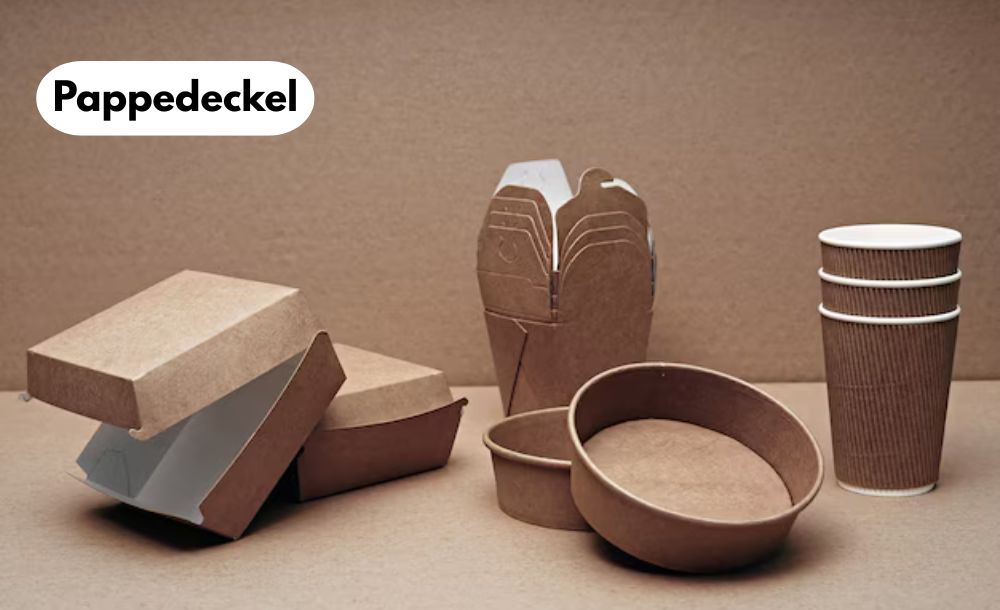
Pappedeckel is a true multi-purpose material. In packaging, it’s used to create rigid boxes, inserts, and protective layers that keep products safe during transport. Luxury brands often rely on pappedeckel as the core of their packaging because it provides a premium feel without excessive cost.
In offices and schools, pappedeckel appears in file folders, binders, and document covers. It keeps papers straight and protected, acting as a silent organizer. In the world of arts and crafts, pappedeckel is a favorite among hobbyists. It’s easy to cut, glue, paint, and shape, making it perfect for models, frames, and DIY projects.
Why Pappedeckel Is Essential in Bookbinding
One of the most traditional and important uses of pappedeckel is in bookbinding. Hardcover books rely on this material for their covers. Without it, books would lose their structure, durability, and premium feel.
Pappedeckel provides the perfect foundation for cloth, leather, or printed covers. It protects the pages inside while giving the book a solid, satisfying weight. Compared to plastic or thin cardboard, pappedeckel offers a more classic and environmentally friendly solution, which is why publishers continue to use it even in the digital age.
Environmental Impact and Sustainability of Pappedeckel
From an environmental perspective, pappedeckel checks many important boxes. It’s made from recycled materials, it’s recyclable after use, and it has a relatively low carbon footprint compared to plastic-based alternatives. This makes it an attractive option for companies looking to reduce their environmental impact.
Modern innovations are further improving its sustainability. Water-resistant coatings, stronger recycled fiber blends, and more efficient manufacturing processes are extending the lifespan of pappedeckel products while keeping them eco-friendly.
Pappedeckel vs Cardboard vs Paperboard Explained Clearly
It’s easy to confuse pappedeckel with cardboard or paperboard, but the differences are important. Paperboard is thin and flexible, often used for cereal boxes or lightweight packaging. Cardboard typically features fluted layers that provide cushioning and shock absorption.
Pappedeckel, on the other hand, is solid throughout. It doesn’t rely on air pockets or layers for strength. Instead, its rigidity comes from compressed fibers. This makes it ideal for applications where shape and stability matter more than cushioning.
Advantages That Make Pappedeckel So Popular
There are several reasons why industries continue to choose pappedeckel. Cost-effectiveness is a major one. It offers excellent strength without the high price tag of plastic or wood. Customization is another advantage. Pappedeckel can be wrapped, laminated, printed, or cut into precise shapes with ease.
It’s also lightweight relative to its strength, which reduces shipping costs and makes handling easier. These advantages combine to make pappedeckel a practical and reliable material for countless applications.
Limitations and Challenges of Using Pappedeckel
Despite its strengths, pappedeckel does have limitations. Moisture is its biggest enemy. Prolonged exposure to water or high humidity can weaken the fibers and cause warping. That’s why it’s often coated or combined with protective layers in demanding environments.
Another limitation is load-bearing capacity. While pappedeckel is strong, it’s not suitable for extremely heavy loads where metal or thick plastic would be required. Understanding these limitations helps ensure it’s used appropriately.
Modern Packaging Trends and the Role of Pappedeckel
In today’s packaging world, pappedeckel is experiencing a quiet renaissance. Brands are moving away from excessive plastic and embracing paper-based materials that feel premium and sustainable. Pappedeckel fits perfectly into this trend.
With modern printing techniques and creative wrapping, pappedeckel-based packaging can look luxurious, minimalist, or artistic. It supports branding while aligning with eco-conscious values, making it a favorite choice for modern businesses.
How to Choose the Right Type of Pappedeckel
Choosing the right pappedeckel depends on your specific needs. Thickness is the first consideration. Thicker boards provide more rigidity but add weight. Thinner boards are easier to cut and shape but offer less support.
You should also consider the environment in which it will be used. Will it be exposed to moisture? Does it need to look polished, or will it be hidden inside a product? Answering these questions helps you select the most suitable option.
Proper Storage and Handling of Pappedeckel
To maintain its quality, pappedeckel should be stored in a dry, flat environment. Stacking it unevenly or exposing it to moisture can lead to warping and reduced strength. Proper handling ensures the material performs as expected, whether it’s used immediately or stored for later use.
The Future of Pappedeckel in a Sustainable World
Looking ahead, the future of pappedeckel appears promising. As sustainability becomes a priority rather than a trend, materials like pappedeckel are gaining renewed importance. Ongoing innovations are making it stronger, more moisture-resistant, and even more versatile.
Market demand continues to grow, especially in packaging, publishing, and eco-friendly product design. Far from becoming obsolete, pappedeckel is evolving to meet modern needs.
Conclusion
Pappedeckel may not be glamorous, but it’s one of the most dependable materials in everyday use. Strong, sustainable, versatile, and cost-effective, it quietly supports products across countless industries. From books and boxes to crafts and documents, pappedeckel proves that sometimes the most important materials are the ones working behind the scenes. Understanding it allows businesses and individuals alike to make smarter, more responsible choices.
FAQs About pappedeckel
What exactly is pappedeckel used for?
Pappedeckel is commonly used for rigid packaging, book covers, document backing, and structural support in paper-based products.
Is pappedeckel environmentally friendly?
Yes, it’s typically made from recycled paper and can be recycled again, making it a sustainable choice.
How is pappedeckel different from cardboard?
Pappedeckel is solid and dense, while cardboard usually has fluted layers for cushioning.
Can pappedeckel be customized easily?
Absolutely. It can be cut, printed, laminated, and wrapped to suit many applications.
Does pappedeckel last a long time?
When stored and used properly, pappedeckel is durable and long-lasting, especially in dry conditions.