









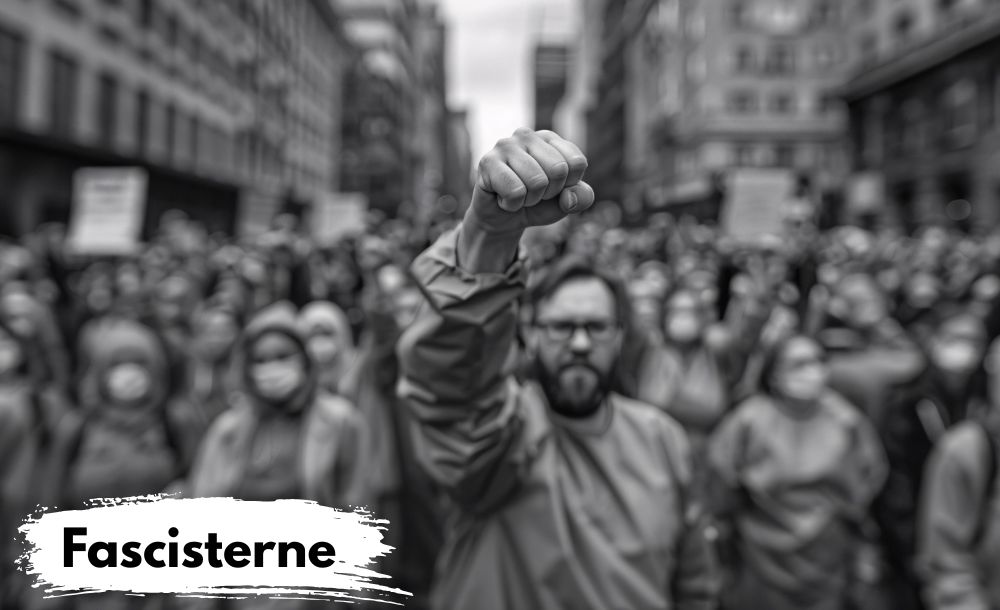
The term fascisterne may sound unfamiliar to many outside Scandinavia, yet it represents an important and often uncomfortable chapter in Danish and European history. Fascisterne, meaning “the fascists” in Danish, refers to individuals and movements in Denmark that embraced fascist ideology during the early to mid-twentieth century. While Denmark is widely known today for its strong democratic traditions, social equality, and political stability, the existence of fascisterne reminds us that no society is entirely immune to extremist ideas. Understanding fascisterne is not about glorifying the past or condemning a nation, but about recognizing how political fear, economic hardship, and identity crises can shape dangerous ideologies.
The Meaning and Historical Use of the Term Fascisterne
The word fascisterne entered Danish political vocabulary during a period when fascism was spreading rapidly across Europe. Inspired by the authoritarian regimes of Benito Mussolini in Italy and Adolf Hitler in Germany, Danish supporters adopted similar ideas while adapting them to local conditions. In everyday language, fascisterne was often used critically rather than proudly, especially by journalists, intellectuals, and political opponents who viewed fascism as a threat to democracy. Over time, the term became shorthand for anti-democratic extremism, symbolizing intolerance, rigid nationalism, and the rejection of pluralism.
Europe between the Wars: The Fertile Ground for Fascism
To fully understand fascisterne, it is essential to look at Europe between World War I and World War II. This was a period marked by economic collapse, political instability, and widespread disillusionment. Many people felt betrayed by democratic institutions that seemed incapable of solving unemployment, inflation, and social unrest. Fascism presented itself as a solution strong leadership, national unity, and decisive action. Although Denmark avoided the worst extremes experienced elsewhere, the same fears and uncertainties existed beneath the surface, creating space for fascisterne to emerge.
Denmark’s Political Climate before World War II
Denmark entered the interwar period with a functioning parliamentary system and a relatively stable political environment. However, stability did not mean immunity. The Great Depression hit Denmark hard, affecting farmers, workers, and small business owners alike. Political debates intensified, and dissatisfaction with traditional parties grew among certain segments of the population. Fascisterne attempted to exploit this dissatisfaction by arguing that democracy was too slow and divided to address national crises. They positioned themselves as a disciplined alternative capable of restoring order and pride.
The Formation of Fascisterne in Denmark
Unlike in Germany or Italy, fascisterne in Denmark never unified into a single dominant movement. Instead, several small parties and organizations emerged, the most notable being the Danish National Socialist Workers’ Party. These groups borrowed heavily from foreign fascist models, adopting uniforms, symbols, and hierarchical structures designed to convey strength and unity. Leadership figures often portrayed themselves as saviors of the nation, claiming to stand above petty politics and partisan conflict. Despite these efforts, fascisterne struggled to resonate with a broader Danish audience.
Ideological Foundations of Fascisterne
At the heart of fascisterne ideology was a rejection of liberal democracy. They viewed parliamentary debate as inefficient and divisive, believing that strong, centralized authority was necessary for national survival. Nationalism played a central role, with an emphasis on cultural homogeneity and loyalty to the state. Fascisterne also promoted strict social order, arguing that individual freedoms should be subordinated to the collective good. These ideas, while appealing to a small minority, clashed sharply with Denmark’s democratic values and traditions.
Fascisterne and Their Relationship with Danish Society
Danish society responded to fascisterne with skepticism and, in many cases, outright hostility. Newspapers frequently criticized fascist groups, exposing their foreign influences and questioning their commitment to Danish values. Trade unions, which were strong and well-organized, viewed fascisterne as a direct threat to workers’ rights and collective bargaining. Intellectuals and academics also played a significant role in opposing fascism, using public lectures, articles, and debates to challenge authoritarian ideas and defend democracy.
Public Perception and Media Representation
Media coverage of fascisterne was largely negative, portraying them as extremists attempting to import dangerous ideologies from abroad. Journalists highlighted the contradictions in fascist rhetoric, pointing out how calls for national unity often masked intolerance and repression. This critical media environment made it difficult for fascisterne to control the narrative or gain legitimacy in the eyes of the public. In contrast to countries where media was censored or controlled, Denmark’s free press acted as a powerful barrier against fascist propaganda.
Fascisterne during the German Occupation
The German occupation of Denmark during World War II marked a turning point for fascisterne. Some members saw the occupation as an opportunity to gain influence by cooperating with Nazi authorities. This collaboration, whether ideological or opportunistic, deeply damaged the reputation of fascisterne among ordinary Danes. While not all fascist supporters agreed on cooperation, the association with occupying forces cemented public perception of fascism as unpatriotic and dangerous.
Internal Divisions and Weaknesses
One of the major reasons fascisterne failed to gain power was internal division. Competing factions disagreed on strategy, ideology, and the extent of collaboration with Germany. These conflicts weakened organizational cohesion and confused potential supporters. Without a clear, unified message, fascisterne struggled to present themselves as a credible alternative to existing political parties. Their inability to resolve internal disputes highlighted a fundamental weakness in authoritarian movements that claim unity while practicing exclusion.
The Decline and Collapse of Fascisterne
Following the end of World War II, fascisterne rapidly lost what little support they had left. The exposure of collaboration with Nazi Germany led to legal consequences for some members, including trials and bans on fascist organizations. Danish society, eager to rebuild and move forward, rejected fascism decisively. By the late 1940s, fascisterne had effectively disappeared as an organized political force, leaving behind a legacy of caution rather than influence.
Post-War Memory and Historical Interpretation
In the decades following the war, fascisterne became a subject of historical study rather than political debate. Historians examined their rise and fall to understand why fascism failed in Denmark while succeeding elsewhere. School textbooks and academic research framed fascisterne as a warning, emphasizing the importance of democratic institutions, social welfare, and civic engagement. Public memory treated fascism not as a legitimate alternative, but as a lesson learned through hardship and vigilance.
Fascisterne in Modern Political Language
Today, the term fascisterne is often used metaphorically in political discourse. It may be applied to groups or individuals perceived as authoritarian, intolerant, or anti-democratic. While such usage can highlight genuine concerns, it also risks oversimplification. Not every controversial idea is fascist, and careless labeling can dilute the historical meaning of fascisterne. Understanding the original context helps ensure that the term is used responsibly and accurately.
Cultural Representations of Fascisterne
Danish literature, film, and academic works have explored fascisterne from various angles, often focusing on the psychological and social factors that drive people toward extremism. These cultural representations aim to humanize without excusing, showing how ordinary individuals can become involved in dangerous movements. Museums and exhibitions also play a role in educating the public, using historical artifacts and narratives to encourage reflection rather than fear.
Comparing Fascisterne with Other European Fascist Movements
When compared to fascist movements in Italy and Germany, fascisterne stand out for their limited reach and impact. While they shared core ideological elements such as authoritarianism and nationalism, Danish fascism lacked the mass appeal and institutional support seen elsewhere. Strong democratic traditions, an active civil society, and effective social policies all contributed to limiting fascist influence. These differences highlight how national context shapes political outcomes.
Why Fascisterne Failed to Gain Mass Support
Several factors explain the failure of fascisterne to gain widespread backing. Denmark’s long history of compromise-based politics reduced polarization, making extremist solutions less attractive. The development of social welfare programs addressed many economic grievances that fascists elsewhere exploited. Perhaps most importantly, a culture of trust in democratic institutions helped prevent fear from turning into radicalization.
Lessons Modern Societies Can Learn from Fascisterne
The story of fascisterne offers valuable lessons for contemporary societies. Democracy cannot be taken for granted; it requires constant participation, education, and defense. Economic insecurity and political polarization remain fertile ground for extremist ideas, even today. By studying fascisterne, modern citizens can better recognize early warning signs and respond with informed, democratic solutions rather than fear-driven reactions.
Conclusion
Fascisterne represent a chapter in Danish history that is both troubling and instructive. Their rise during a time of uncertainty and their eventual failure demonstrate the resilience of democratic values when supported by strong institutions, free media, and an engaged population. Remembering fascisterne is not about dwelling on the past, but about understanding how easily freedom can be challenged—and how deliberately it must be protected. History, after all, is not just a record of what happened; it is a guide for what must never be repeated.
FAQs About fascisterne
What does the term fascisterne mean in Denmark?
Fascisterne is the Danish word for fascists and refers to individuals or groups that supported fascist ideology, particularly during the interwar period and World War II.
Did fascisterne ever control the Danish government?
No, fascisterne never gained significant political power in Denmark and remained a marginal movement.
How were fascisterne viewed by ordinary Danes?
Most Danes viewed fascisterne with suspicion or opposition, especially due to their anti-democratic views and later associations with Nazi Germany.
Why is the study of fascisterne still important today?
Studying fascisterne helps modern societies recognize how extremist ideologies emerge and how democratic systems can resist them.
Are fascisterne still active in Denmark today?
No, organized fascist movements from that era no longer exist, though the term may still appear in political debates as a historical reference.
Read more interesting topic: Dan Katz Wife.