

















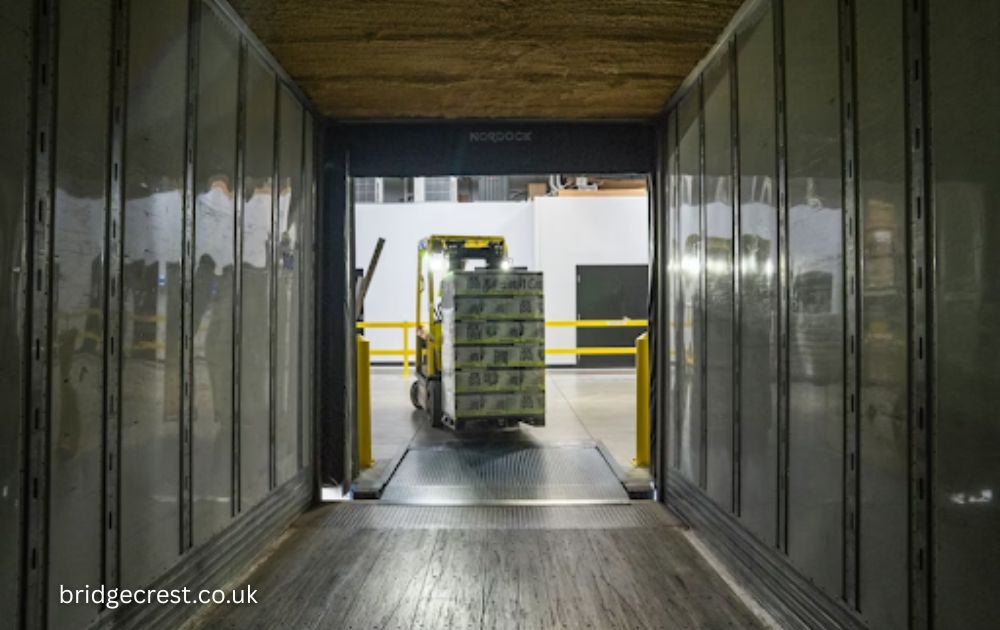
Electric forklifts are reshaping the future of warehouses around the world.
Pushed by increasing demands from businesses to be more sustainable and to drive down operating costs, electric forklift trucks are the modern warehouse operators first choice. Diesel and propane powered forklifts are on their way out. In fact…
Electric forklifts offer cost savings, zero emissions and less maintenance. However, implementation isn’t always a straightforward process. Get the preparation wrong and it can lead to big problems in day-to-day operations. Do it right and you’re looking at massive business benefits.
So before you rush to make the switch let us share with you everything warehouse managers need to know…
Why Are Electric Forklift Trucks Taking Over?
Let’s take a look at the numbers.
Electric forklifts held the largest market share of forklift trucks at 69.20% in 2024. It is a pretty big market share to hold. And it is only expected to grow from there…
But why is the switch to electric forklifts being made by so many warehouses? There are three key reasons why: cost, compliance and performance. Tighter emissions legislation and indoor air quality standards have forced many warehouse operators to reevaluate their forklift trucks strategy. Diesel powered forklifts no longer work in warehouse environments.
The thing is…
Partnering with a trusted Newcastle forklift provider can help ease the transition. An established supplier will work to understand your operational requirements and can then advise on the right forklift trucks to match your business needs.
Electric forklifts also offer precision control that internal combustion engines just cannot match. The instant torque and smooth acceleration make these electric trucks the perfect fit for the tight corners of warehouses aisles where accuracy is important.
Electric Battery Technology Options
The battery is a key component in a successful electric forklift switch.
The two main battery options warehouse managers need to consider are lead-acid and lithium-ion batteries. Both come with their own sets of pros and cons to weigh up.
Lead-Acid Batteries
The traditional option. These batteries have been around for a long time and have a lower initial cost. The downsides are a higher maintenance requirement and a longer charging time. On average 8 hours, plus a further cooling period is normal.
Lithium-Ion Batteries
The newer technology. Lithium-ion batteries can be charged quicker (typically 1-2 hours) and last longer between charges, with virtually zero maintenance needed. They also perform better in colder storage environments… A big factor for food and beverage warehouses.
The trade-off? Initial costs are higher. However the total cost of ownership often tips in the favour of lithium-ion across the forklift trucks lifespan.
Charging Infrastructure Essentials
The charging infrastructure is where a lot of warehouse projects trip up.
It is not simply a case of buying chargers. Factories must also have enough electrical capacity to support the additional load. A lot of warehouses actually need additional electrical upgrades to support going electric. This can be a costly and time intensive process that should be factored into the planning stages.
These are the infrastructure things to consider:
- Electrical capacity – can the current system support the charging?
- Charger location – where can charging stations be placed to not disrupt work flow?
- Opportunity charging – will operators top up during breaks or only charge between shifts?
- Peak demand – how will charging schedules affect the cost of electricity?
Planning the charging strategy first helps avoid later operational problems. Most warehouses go with opportunity charging throughout the day rather than dedicated charging bays. Operators plug in when they can rather than needing dedicated areas. This means forklift trucks are available for more hours of the day and the total number of trucks required can be lower.
Maintenance and Total Cost Considerations
Electric forklifts shine when it comes to the required maintenance.
On average electric forklifts will cost less to maintain and to run than diesel forklifts. They have a maintenance cycle that is 2-3 times longer than a diesel forklift truck. Often over 1,000 hours between services.
That means fewer breakdowns, less downtime and lower costs in the long run.
Why the difference? Electric forklifts have many fewer moving parts than diesel engines. There are no oil changes, no spark plugs and no exhaust systems to service. The simplicity of an electric motor means less parts to break and reduced maintenance costs.
The equipment initial cost will be higher than diesel alternatives. But here is where wise warehouse managers have the knowledge to know…
Total cost of ownership over 5-7 years almost always swings in favour of electric. Accounting for fuel savings, reduced maintenance and longer service intervals, electric forklift trucks often give better value for money. The savings on operating costs add up year after year.
Training Your Warehouse Staff
Proper training of operators is an important part of the transition to electric forklifts.
Driving an electric forklift truck feels different from traditional forklift trucks. There is regenerative braking that takes some getting used to. There is also the instant torque response to adjust to. Battery management is another new skill to learn for operators.
Training should include:
- Proper charging process and timing
- Regenerative braking operation
- Battery monitoring and warning indicators
- Safety considerations for electric trucks
- Efficient operation to maximise battery life
Operators who understand how their equipment works can work more effectively and extend the life of the machinery. Training is an investment that will pay off through increased productivity and less damage to the equipment.
Environmental and Safety Benefits
Electric is not just a business decision, there are also big environmental and safety benefits.
Electric forklift trucks produce zero tailpipe emissions. This is a huge improvement in indoor air quality for warehouse workers. Without exhaust fumes the work environment is healthier and ventilation requirements are also reduced.
Noise levels are also reduced dramatically. Electric motors are much quieter than diesel engines. This creates a better working environment for staff and also allows for better communication on the warehouse floor.
Operators also have a much better view around the forklift truck from a safety perspective. Electric forklifts have no engine block at the back. Sightlines are much improved. Burn risks during maintenance are also reduced by the absence of hot exhaust parts.
Wrapping It All Up
Making the switch to electric forklift trucks in your warehouse operations is one of the best moves a business can make at the moment.
The market trends speak for themselves. Electric forklift trucks are the overwhelming choice when it comes to new equipment purchases. They are chosen because they offer a tangible operational advantage. Less cost for fuel. Less maintenance. Better working conditions. Better accuracy.
But to get the best results there are a number of areas that require careful planning and consideration:
- Selecting the right battery technology to suit your operation
- Build out of charging infrastructure
- Train operators on electric specific procedures
- Understanding total cost of ownership
Yes the initial outlay will be higher. Yes it will take more planning. But warehouses that get the implementation right will reap the rewards for years to come.
Electric forklifts are not the future of the warehouse industry… They are the present. And for those who do not embrace this change the consequences will be felt.