

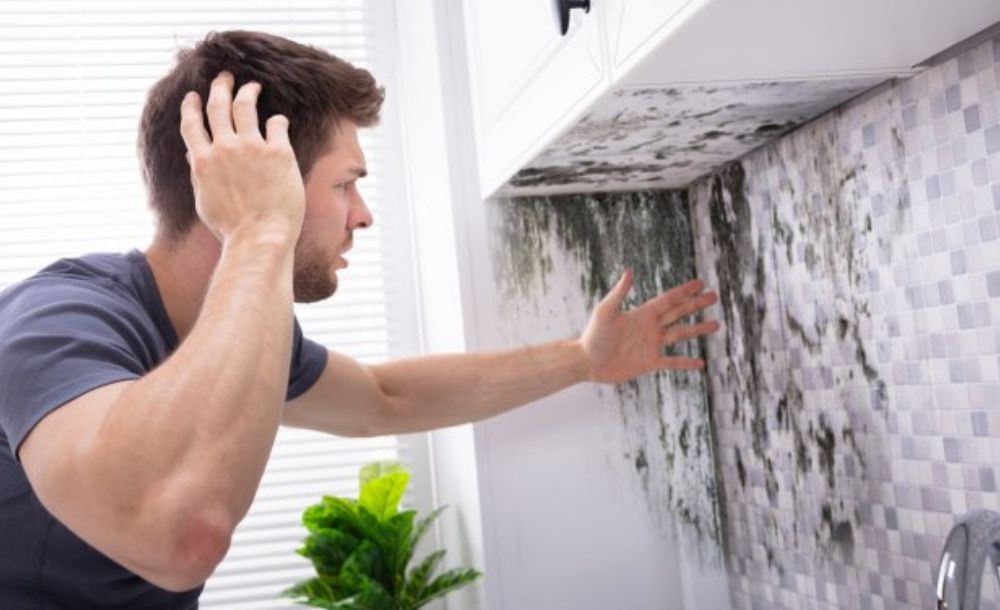
Mold can silently infiltrate your home, causing significant damage and posing health risks. Whether small spots on walls or large hidden growths, mold thrives in moist, poorly ventilated spaces. Beyond structural damage, it harms indoor air quality and can trigger respiratory problems. Homeowners should act quickly at the first sign of mold to prevent its spread. Understanding how mold forms and when to seek professional remediation is essential for maintaining a safe home environment.
1. The Science Behind Mold Growth
Mold, a type of fungus, thrives on organic materials like wood, paper, or drywall. It spreads via spores—tiny airborne particles that settle on surfaces. When these spores encounter a damp, warm, and nutrient-rich environment, they rapidly grow and multiply. Mold can appear within 24 to 48 hours of moisture exposure. Common culprits include leaky pipes, roof leaks, high humidity, or inadequate ventilation in bathrooms and basements. Even minor trapped moisture encourages swift spread. Knowing how mold flourishes helps homeowners detect issues before they become serious infestations.
2. Where Mold Commonly Appears
Mold can grow almost anywhere in your home but is most common in areas with lingering moisture. Bathrooms, kitchens, basements, attics, and windows are particularly vulnerable, as are hidden spots like under carpets or behind walls, especially after water damage. Condensation from air conditioners or humid weather can also create ideal conditions for mold. Fluctuating temperatures and seasonal humidity further encourage growth when moisture isn’t properly controlled. Identifying these problem areas helps homeowners take preventive steps before mold spreads out of sight.
3. The Health Risks of Mold Exposure
While mold is a natural part of the environment, prolonged indoor exposure can be harmful. It releases spores and mycotoxins that can trigger allergic reactions or respiratory problems. Common symptoms include coughing, sneezing, watery eyes, and skin irritation. Individuals with asthma or weakened immune systems are particularly sensitive to mold. In severe cases, long-term contact may cause chronic breathing difficulties or infections. Promptly addressing mold and maintaining good indoor air quality protects both your home and family’s health.
4. How to Identify Mold Early
Detecting mold early can help prevent serious damage. Look for discoloration on walls, ceilings, or floors, as mold often appears as black, green, or white patches with a fuzzy or slimy texture. A musty or damp smell can also indicate mold, even if it’s not visible. Regularly inspect moisture-prone areas like basements or behind wallpaper. If mold keeps returning after cleaning or covers a large area, consider hiring professional mold remediation services for thorough inspection and safe removal.
5. Preventing Mold Growth
Preventing mold starts with controlling moisture. Regular maintenance and proper ventilation are key to keeping your home mold-free. Here are a few effective prevention tips:
- Fix leaks immediately: Repair dripping faucets, leaky roofs, or broken pipes as soon as possible.
- Improve air circulation: Use exhaust fans in kitchens and bathrooms to reduce humidity.
- Control indoor humidity: Keep humidity levels below 50% with dehumidifiers or air conditioners.
- Dry wet areas promptly: Don’t leave wet towels, carpets, or flooring unattended after spills or flooding.
- Insulate properly: Prevent condensation on windows and cold surfaces by maintaining insulation.
Simple maintenance habits go a long way in preventing mold before it becomes a costly issue.
6. What to Do if You Find Mold
If you find mold in your home, it’s important to handle it safely. Small patches (under 10 square feet) can often be cleaned with protective gear, a mild detergent, and good ventilation. However, larger or hidden infestations require professional help. Trying to remove extensive mold on your own can spread spores throughout your home and worsen the problem. Professional mold remediation experts in Salt Lake City use specialized tools and techniques to remove mold completely and restore your home’s air quality. Taking quick action will minimize structural damage and prevent the mold from returning.
7. The Importance of Professional Remediation
While DIY cleaning may handle minor mold, professional remediation eliminates it at its source. Specialists assess moisture levels, pinpoint root causes, and use containment to prevent spores from spreading. They also disinfect affected areas and filter the air, restoring a healthy living environment. Homeowners benefit from experts who understand local climate and moisture challenges contributing to mold. This comprehensive approach restores both safety and peace of mind.
Conclusion
Mold is more than unsightly; it signals hidden moisture problems that can damage your home and health. Understanding how it grows, recognizing warning signs, and acting quickly are vital for a safe home. If mold persists, professional remediation ensures complete removal and long-term prevention. Early action keeps your property clean, dry, and mold-free.