

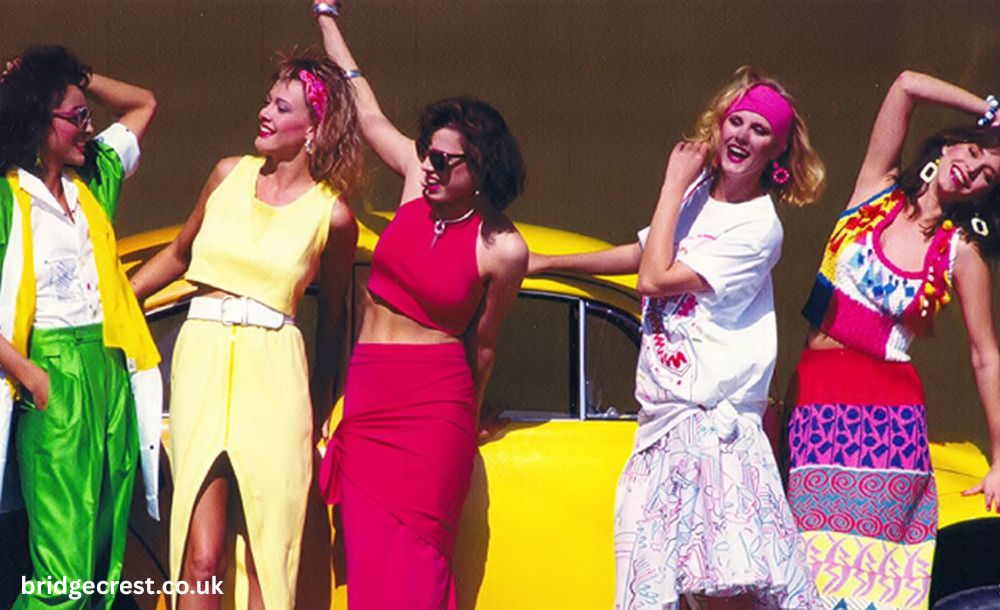
The 1980s neon fashion era is remembered as one of the most vibrant and bold periods in style history. Neon colors bright pinks, electric greens, and fluorescent yellows became a visual symbol of self-expression, individuality, and energy. It wasn’t just about clothing; it was a lifestyle statement, capturing the optimism and creativity of a generation ready to stand out. Neon fashion gave people the courage to experiment, turning everyday outfits into striking declarations that demanded attention while reflecting the cultural pulse of the time.
The Cultural Background of the 1980s
The 1980s were marked by social and economic change that influenced fashion trends significantly. Economic prosperity gave people more disposable income, allowing them to explore bolder styles and brighter colors. Society embraced creativity and self-expression, rejecting the subdued tones of the 1970s. Fashion became louder, bigger, and more experimental, reflecting a world eager for progress. This environment created the perfect stage for neon to emerge as a cultural and style phenomenon, redefining what it meant to dress with confidence and flair.
Rise of Pop Culture Influence
Pop culture had a profound effect on the rise of neon fashion. Music videos, television shows, and movies showcased bright, colorful clothing that quickly became trendsetting. Icons like Madonna and Cyndi Lauper popularized neon outfits, inspiring fans to experiment with their own style. Fashion was no longer dictated solely by designers but shaped by the artists and media personalities that defined the decade. Neon became a visual shorthand for rebellion, creativity, and individuality, connecting people through a shared love of bold self-expression.
Economic Boom and Fashion Freedom
With the economic boom of the 1980s, fashion gained a newfound freedom. People had the financial ability to invest in trendy clothing, and designers responded with daring collections full of neon colors and exaggerated silhouettes. Bright, bold outfits became a symbol of the decade’s optimism and vitality. Neon fashion embodied this freedom, allowing anyone to express themselves vividly, whether on the street, at parties, or in the workplace. It reflected both personal and societal confidence, giving people the permission to be daring with their style choices.
What Made Neon Fashion So Popular
Neon fashion’s popularity was driven by its visibility and emotional appeal. Bright neon colors could immediately grab attention, making the wearer feel energetic, confident, and alive. The trend also aligned perfectly with the media-driven culture of the 1980s, where music videos and films presented fashion as a statement of identity. Neon’s boldness symbolized individuality, optimism, and a willingness to break away from conformity, which resonated deeply with the youth of the decade and cemented neon as an iconic style element.
Psychological Appeal of Bright Colors
Neon colors are psychologically stimulating, evoking energy, positivity, and confidence. Wearing neon allows individuals to stand out and communicate personality without words. In the 1980s, this emotional impact contributed to the craze for neon fashion, as people sought clothing that mirrored their bold, adventurous attitudes. Beyond aesthetics, neon became a tool for self-expression, enabling wearers to visually convey creativity and optimism in a decade characterized by cultural experimentation and rapid change.
Influence of Music and Media
Music and media played a pivotal role in popularizing neon fashion. MTV and music videos brought neon into homes worldwide, with artists wearing electrifying outfits that fans eagerly mimicked. Films and television shows further reinforced the trend, depicting neon as part of the energetic, youthful lifestyle of the decade. Media exposure turned neon from a niche fashion choice into a global phenomenon, proving how entertainment could shape trends and making neon a defining feature of 1980s style culture.
Key Elements of 1980s Neon Fashion
The defining elements of 1980s neon fashion included bold colors, oversized silhouettes, and the influence of athletic wear. Bright fluorescent hues dominated wardrobes, often paired with exaggerated shapes like wide-shouldered jackets and baggy tops. Athletic trends merged with everyday style, with neon leggings, leotards, and sweatbands becoming standard fashion statements. This combination of color, shape, and comfort created an instantly recognizable aesthetic, making neon fashion both playful and visually striking in everyday life.
Iconic Neon Clothing Pieces
Certain clothing items became emblematic of 1980s neon fashion. Leg warmers and leotards, originally workout essentials, turned into fashion must-haves, especially for casual and party wear. Neon jackets, oversized sweaters, and accessories like scrunchies and statement earrings completed the bold look. These pieces exemplified the decade’s fearless approach to style, making neon both a practical and fashionable choice. They also helped neon permeate multiple aspects of daily life, from street style to nightlife, solidifying its cultural significance.
Role of Celebrities and Influencers
Celebrities were instrumental in shaping the neon trend, turning it into a global phenomenon. Music icons, actors, and television stars wore neon outfits that fans eagerly emulated, making bold colors synonymous with style and attitude. These influential figures transformed neon from a novelty into a mainstream fashion movement. The visibility of neon in media created aspirational imagery, inspiring everyday people to experiment with bright colors and bold designs, blending celebrity influence with personal self-expression.
Neon Fashion in Streetwear
Neon wasn’t confined to the runway or celebrity wardrobes it was a staple of 1980s streetwear. Bright sweatshirts, graphic tees, and accessories allowed people from all walks of life to participate in the trend. Neon became a visual representation of urban energy, creativity, and youthful confidence. Its accessibility contributed to its widespread adoption, proving that neon fashion could be stylish, approachable, and expressive simultaneously, making it a defining feature of everyday style throughout the decade.
The Evolution of Neon Through the Decade
Neon fashion evolved throughout the 1980s, beginning as playful experimentation and gradually becoming more polished. Early 80s trends favored bold, mismatched outfits with maximum impact, while late 80s styles integrated neon with more tailored pieces and complementary colors. This evolution reflected changing tastes and the growing sophistication of fashion while maintaining neon’s inherent energy and vibrancy. The decade demonstrated neon’s versatility, proving it could adapt while remaining unmistakably iconic.
Global Impact of Neon Fashion
Neon fashion transcended cultural and geographical boundaries, influencing trends worldwide. Bright, bold clothing became a universal symbol of individuality and optimism, appealing to diverse audiences. International adoption of neon reflected the shared global fascination with self-expression and energy in style. From Tokyo streetwear to European dance clubs, neon fashion became a unifying element of 1980s culture, demonstrating its far-reaching appeal and solidifying its status as a global fashion movement.
Modern Revival of 1980s Neon Fashion
Neon has made a noticeable comeback in modern fashion, particularly in streetwear and athleisure. Designers reinterpret 1980s styles, balancing bright colors with neutral tones for contemporary appeal. Neon accents in sneakers, jackets, and accessories capture the nostalgic energy of the 80s while adapting to today’s trends. The revival highlights neon’s timelessness and its enduring ability to communicate boldness and creativity, proving that the spirit of the 1980s remains influential in modern wardrobes.
Styling Neon Fashion Today
Modern neon styling focuses on balance and subtlety. Pairing neon pieces with neutral basics allows the colors to pop without overwhelming the outfit. Accessories, sneakers, and jackets can be used to introduce neon into daily wear, creating a vibrant yet sophisticated look. Contemporary styling honors the bold energy of the 1980s while making neon approachable for everyday fashion. This blend of nostalgia and modern sensibility keeps neon relevant and stylish for new generations of fashion enthusiasts.
Pros and Cons of Neon Fashion
Neon fashion offers unique advantages, including instant visibility, self-expression, and a bold, energetic aesthetic. However, it can also be challenging to style, potentially overwhelming an outfit or clashing with other colors. Its strong visual impact may not suit all occasions, especially formal settings. Despite these considerations, neon remains a versatile and expressive trend, ideal for those willing to embrace attention-grabbing fashion with confidence and creativity.
Comparison: Then vs Now
In the 1980s, neon was loud, exaggerated, and worn everywhere, reflecting the decade’s exuberance and pop culture influence. Today, neon is used more strategically, often as accent pieces to elevate an outfit. Modern neon is balanced, subtle, and adaptable to contemporary tastes, while still evoking the energy and individuality that made it iconic. This comparison shows how neon has evolved while maintaining its original spirit, bridging the gap between nostalgic style and modern fashion sensibilities.
Conclusion
The 1980s neon fashion era represents a bold, colorful chapter in style history, emphasizing individuality, energy, and fearless creativity. It transformed clothing into a statement, turning everyday wear into a canvas for personal expression. Neon’s enduring influence can be seen in modern fashion revivals, proving that boldness and vibrancy never go out of style. Its legacy reminds us that fashion is more than aesthetics it’s about confidence, personality, and the freedom to stand out.
FAQs About 1980s neon fashion
1. Why was neon fashion so popular in the 1980s?
Neon fashion thrived due to its boldness, visibility, and alignment with pop culture, music, and media trends that celebrated individuality.
2. What were the most common neon colors in the 1980s?
Bright pink, electric green, fluorescent yellow, and vivid blue dominated the decade’s neon palette.
3. Which celebrities influenced neon fashion?
Icons like Madonna, Cyndi Lauper, and Michael Jackson popularized neon through music videos, performances, and media appearances.
4. Is neon fashion relevant today?
Yes, neon has returned in streetwear, athleisure, and high-fashion collections, often used as accent colors for modern outfits.
5. How can neon be worn without overwhelming an outfit?
Pair neon items with neutral tones or limit them to accessories and statement pieces to achieve balance and modern sophistication.