

















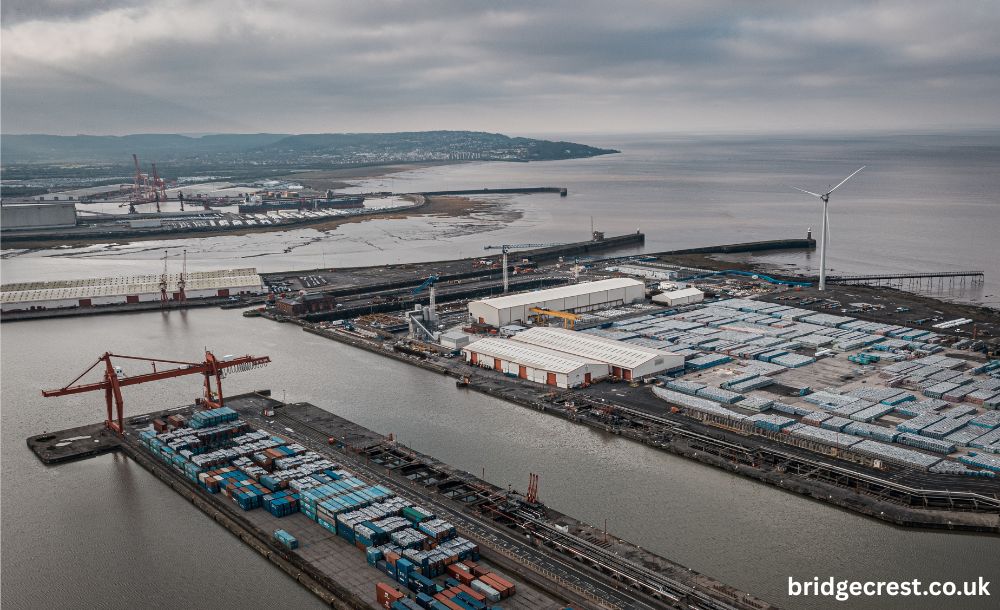
A private freight terminal is a dedicated logistics facility owned and operated by a company to manage the storage, handling, and transportation of goods. Unlike shared facilities, it provides full operational control, allowing businesses to design workflows according to their unique needs. This type of terminal often includes warehouses, loading docks, container yards, and transport connections. It acts as a centralized hub where goods are processed efficiently, minimizing delays and improving coordination. For companies dealing with large cargo volumes, it becomes a strategic asset that enhances overall logistics performance.
How It Differs from Public Freight Terminals
The primary distinction between a private freight terminal and a public one lies in exclusivity and efficiency. Public terminals serve multiple businesses, which can lead to congestion, longer wait times, and limited flexibility. In contrast, private terminals are tailored for a single organization or a controlled group of users, ensuring smoother operations. This exclusivity allows companies to prioritize shipments, customize schedules, and reduce dependency on external factors. The result is a faster, more reliable logistics process that supports consistent supply chain performance.
The Growing Importance of Private Freight Terminals
In today’s fast-paced global economy, the demand for efficient logistics solutions is rising rapidly. Businesses are under constant pressure to deliver goods quickly while maintaining cost efficiency, making private terminals increasingly valuable. A private freight terminal offers the ability to handle higher volumes of cargo without compromising speed or accuracy. As supply chains become more complex, these terminals provide the flexibility needed to adapt to changing market demands. This growing importance highlights their role as a cornerstone of modern logistics strategies.
Rising Global Logistics Demand
Global trade and e-commerce have significantly increased the demand for reliable freight handling systems. Companies now need infrastructure that can support rapid growth and handle fluctuating shipment volumes. A private freight terminal helps meet this demand by offering scalable solutions that expand alongside business operations. It ensures that goods move seamlessly from origin to destination without unnecessary delays. As consumer expectations for faster delivery continue to rise, having a dedicated terminal becomes a competitive advantage.
Role in Supply Chain Transformation
Modern supply chains are evolving into interconnected networks that require precision and adaptability. A private freight terminal plays a crucial role in this transformation by acting as a control center for logistics activities. It allows businesses to monitor inventory, coordinate transportation, and respond quickly to disruptions. This level of control improves efficiency and reduces the risk of bottlenecks. By integrating various logistics functions into one location, companies can streamline operations and enhance overall performance.
Key Features of a Private Freight Terminal
A well-designed private freight terminal includes a combination of infrastructure, technology, and operational systems that support efficient cargo handling. These features typically include large storage areas, advanced loading equipment, and dedicated transport links. The layout is optimized to minimize movement and maximize productivity. Additionally, security systems ensure that goods are protected at all times. Together, these features create a robust environment that supports seamless logistics operations.
Infrastructure and Facilities
Infrastructure is the foundation of any successful private freight terminal. Facilities often include warehouses, container yards, rail connections, and truck loading zones, all designed to handle large volumes of goods. The strategic placement of these elements reduces handling time and improves workflow efficiency. Modern terminals also incorporate specialized equipment such as cranes and automated systems. This combination of physical and technological infrastructure ensures smooth and efficient operations across all stages of the logistics process.
Advanced Technology Integration
Technology is a key driver of efficiency in a private freight terminal. Systems such as warehouse management software and automated scheduling tools help streamline operations and reduce errors. Real-time tracking allows businesses to monitor shipments and make informed decisions quickly. Advanced analytics provide insights into performance, helping companies optimize their logistics strategies. By integrating technology into every aspect of operations, private terminals achieve higher levels of accuracy and productivity.
Benefits of Using a Private Freight Terminal
The advantages of a private freight terminal extend beyond operational efficiency. Businesses benefit from improved control, reduced costs, and enhanced reliability. By managing their own logistics infrastructure, companies can eliminate many of the uncertainties associated with third-party facilities. This leads to more predictable outcomes and better customer satisfaction. Over time, these benefits contribute to stronger business performance and a more resilient supply chain.
Cost Efficiency and Savings
Cost savings are one of the most compelling reasons to invest in a private freight terminal. By reducing reliance on external services, businesses can lower handling fees, storage costs, and transportation expenses. Although the initial investment may be significant, the long-term savings often outweigh the costs. Efficient operations also reduce waste and improve resource utilization. This financial advantage makes private terminals an attractive option for companies seeking sustainable growth.
Faster Operations and Reduced Delays
Speed is critical in logistics, and a private freight terminal delivers faster operations by eliminating many common bottlenecks. With dedicated resources and streamlined processes, goods move quickly through the system. There is no need to wait for shared equipment or compete for space, which reduces delays significantly. This improved speed enhances customer satisfaction and strengthens business relationships. In a competitive market, faster delivery times can make a significant difference.
How Private Freight Terminals Improve Supply Chains
A private freight terminal enhances supply chain efficiency by centralizing operations and improving coordination. It allows businesses to manage inventory, transportation, and distribution from a single location. This integration reduces complexity and improves visibility across the supply chain. Companies can respond more effectively to changes in demand and avoid disruptions. The result is a more agile and resilient logistics network.
Inventory Management
Effective inventory management is essential for maintaining a balanced supply chain. A private freight terminal provides the tools and infrastructure needed to monitor stock levels accurately. Centralized storage and advanced tracking systems make it easier to manage inventory and reduce waste. Businesses can ensure that products are available when needed without overstocking. This balance improves efficiency and supports better decision-making.
Multimodal Connectivity
One of the key strengths of a private freight terminal is its ability to connect multiple modes of transportation. By integrating road, rail, and sometimes air transport, these terminals create a seamless logistics network. This multimodal approach reduces transit times and improves flexibility. Businesses can choose the most efficient transport method for each shipment. This connectivity enhances overall supply chain performance and reduces operational costs.
Technologies Powering Private Freight Terminals
Modern private freight terminals rely on advanced technologies to maintain efficiency and accuracy. Automation, artificial intelligence, and data analytics play a significant role in optimizing operations. These technologies reduce manual effort and improve decision-making. By leveraging digital tools, businesses can achieve higher productivity and better outcomes. This technological foundation is essential for meeting the demands of modern logistics.
Automation and AI
Automation and artificial intelligence are transforming the way private freight terminals operate. Automated systems handle repetitive tasks such as loading and sorting, reducing the need for manual labor. AI-driven tools analyze data to predict demand and optimize schedules. This combination improves efficiency and reduces errors. As technology continues to evolve, these innovations will play an even greater role in logistics operations.
IoT and Real-Time Tracking
The use of IoT devices in a private freight terminal provides real-time visibility into cargo movement. Sensors and tracking systems collect data that helps businesses monitor shipments at every stage. This transparency allows companies to identify potential issues and address them quickly. Real-time tracking also improves communication with customers. By enhancing visibility, IoT technology strengthens the reliability of logistics operations.
Cost and Investment Analysis
Investing in a private freight terminal requires careful financial planning. The initial costs include land acquisition, construction, equipment, and technology integration. While these expenses can be substantial, they should be viewed as a long-term investment. The benefits in terms of efficiency and cost savings often justify the investment. Businesses must evaluate their needs and resources before making a decision.
Return on Investment (ROI)
The return on investment for a private freight terminal can be significant over time. Reduced operational costs, improved efficiency, and increased throughput contribute to higher profitability. Businesses also benefit from greater control and flexibility in their logistics operations. These advantages create a strong foundation for long-term success. For many companies, the investment in a private terminal proves to be a strategic decision that drives growth.
Conclusion
A private freight terminal is a powerful tool for improving logistics efficiency and strengthening supply chains. By providing dedicated infrastructure, advanced technology, and greater control, it addresses many challenges faced by modern businesses. As global trade continues to grow, the importance of these terminals will only increase. Companies that invest in private freight terminals position themselves for long-term success. This makes them an essential component of the future of logistics.
FAQs About private freight terminal
- What is a private freight terminal?
A private freight terminal is a dedicated facility used by a company to manage the storage and transportation of goods efficiently.
- Why are private freight terminals important?
They improve efficiency, reduce costs, and provide greater control over logistics operations.
- What are the main benefits of private freight terminals?
Key benefits include faster operations, cost savings, and improved supply chain management.
- What technologies are used in private freight terminals?
They use automation, AI, IoT, and real-time tracking systems to enhance efficiency.
- Is investing in a private freight terminal worth it?
For businesses with high logistics demands, it offers long-term benefits and strong returns on investment.