
















Public safety barriers are part of a larger safety system, yet individuals often treat them as objects. Your option depends on the risk you wish to manage, who will be at the barrier, and what “failure” means in real life. A robust pedestrian barrier that creates unexpected bends or confusion in a crowded area can be dangerous if vehicles collide with it.
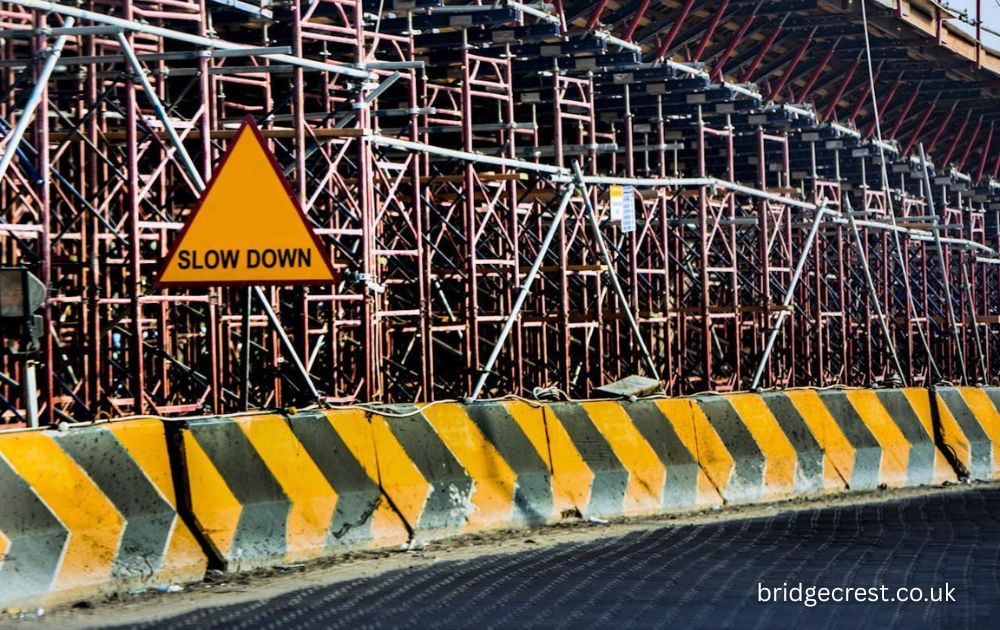
For safety, many project teams use massive concrete blocks. Plastic barriers help control situations where visibility, flexibility, and quick reconfiguration trump mass. Separating crowd management and vehicle safety simplifies decisions. Barrier types can be matched to safe jobs.
Determine an Objective Before Choosing a Material
What you want from the barrier counts most. Simple approaches can divide lanes, block live work zones, or create straight lines. Use is generally simpler. In dangerous times, weight and anchoring become more vital, and the architectural basis changes to block cars, guard a high-risk frontage, or establish a robust perimeter. The most prevalent mistake is choosing a barrier based primarily on appearance rather than performance. Set goals to avoid such errors. Even though a barrier “looks serious,” it may not be in the right place, properly connected, or suitable for the forces it faces.
Match the Barrier to the Risk Environment
Before choosing, consider what will touch a barrier. Sharp corners, trip hazards, and limited vision can make crowded settings unsafe without cars. The barrier must manage crashes, turns, and driver errors when near an automobile. The barrier should be easy to set up and take down for temporary jobs to reduce risk. Visibility, mobility, and little fall risk make plastic systems ideal for low-impact situations. Concrete constructions may be best when failure would have dire repercussions, but they are heavy and difficult to move, requiring careful planning.
Consider Vehicle Dynamics and Layout
Car layout matters as much as materials when it is unsafe. Where, how long, and how a barrier restricts the approach angle impacts its effectiveness. Gaps, misalignment, and high approach speeds can weaken heavy systems. Well-planned layouts can reduce risk even if the barrier can’t withstand high impacts. This effect is especially true for slow, reliable traffic steering. Here, location geometry is important. Heights, sight lines, loads, and turning circles affect barriers. Planners should pick materials.
Focus on Crowd Conduct
Barriers alter behaviour. People pick safe paths. The plastic crowd control dividers are colourful and sculpted. If attendance changes, planners can quickly adjust routes to reduce congestion and conflicts. Concrete barriers may deter people, yet confining people can create tension in busy environments. Given the considerable foot traffic, the barrier should provide a calm passage, clear signage, and prompt assistance.
Give Installation, Handling, and Operation Independence
Safety plans need assembly, relocation, and removal of impediments. Portable plastic barriers are well-suited for events, short roadworks, and last-minute changes. Moving several systems with fewer persons and equipment reduces installation risk and downtime. Plan, run machinery well, stabilise the ground, and set up limited exclusion zones to lift concrete barriers. These needs can be met through strategy and funding. Where barriers cannot move, concrete platforms can remain in place.
Focus on Performance, Not Assumptions
The ground crew controls the safest option, which matches the risk environment and is predictable. Plastic barriers enable low-impact, controlled isolation while maintaining freedom and visibility. Concrete barriers perform well in high-stakes scenarios that require stability and resistance when properly installed. Risks and operating plans determine barrier selection. It safeguards without endangering.