

















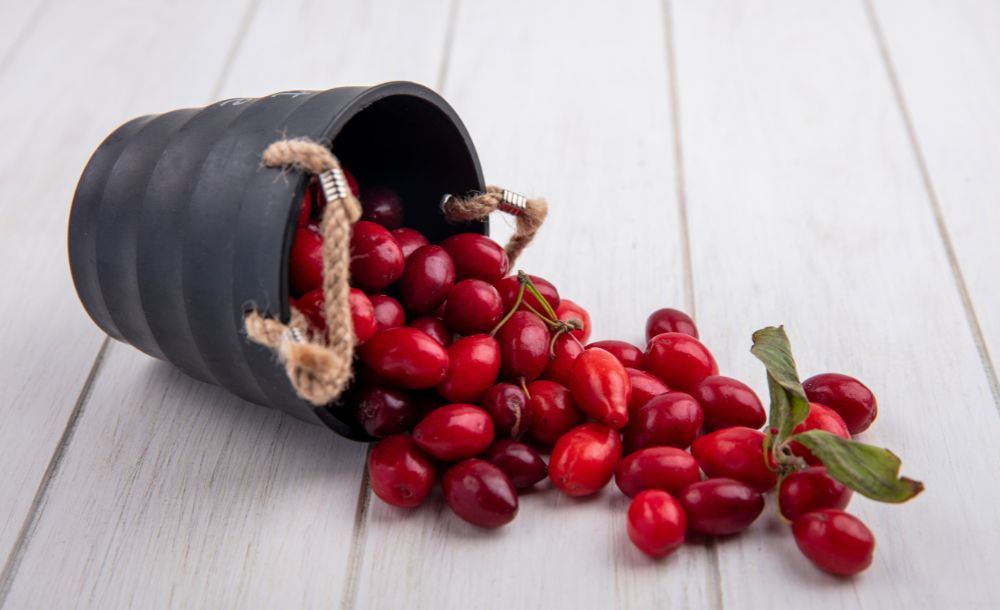
Žižole, known in many parts of the world as jujube or red dates, are one of those remarkable fruits that carry a long history, a unique flavor, and a rich cultural significance. This tiny fruit packs an impressive amount of nutrients and a surprisingly sweet taste that becomes even more concentrated when dried. Over the years, žižole have captured global attention not only because of their delicious flavor but also due to their well-documented medicinal value. The more people focus on natural healing, organic living, and boosting immunity through wholesome foods, the more žižole find their place in conversations surrounding nutrition and wellness. Their rise in popularity is no accident; these fruits offer an incredible blend of sweetness, nourishment, and versatility, making them a delightful addition to any diet.
What Exactly Are Žižole?
Žižole are small, oval fruits that come from the Ziziphus jujuba tree, a hardy, drought-resistant plant cherished across Asia, the Middle East, and Mediterranean regions. When freshly picked, the fruit resembles a miniature apple, crisp and refreshing with a mildly sweet undertone. As žižole dry, they transform into a wrinkled, deep-brown fruit resembling a date, with an intensified caramel-like taste. This transformation is part of what makes žižole so fascinating the same fruit can offer completely different sensory experiences depending on how you choose to eat it. Fresh žižole provide a crunchy, refreshing snack, while dried ones offer a soft, chewy sweetness ideal for teas, desserts, or herbal remedies.
A Long and Rich History
The story of žižole stretches back several millennia, especially in ancient China, where they were used not only as food but as medicine. Historical texts dating back over 4,000 years mention the fruit’s ability to calm the mind, rejuvenate the body, and support overall vitality. As trade routes expanded, the fruit travelled across continents, finding a welcome place in cultures from the Middle East to Eastern Europe. Even today, žižole hold cultural importance, appearing in celebrations, rituals, and traditional meals. This long history is part of what makes the fruit so special every bite connects you with centuries of tradition, wellness, and culinary exploration.
Why Žižole Are Becoming Popular Worldwide
In the age of superfoods, žižole stand out for their nutrient density and natural healing properties. As people shift towards clean eating and holistic health, they seek foods that offer real nourishment without artificial preservatives or added sugars. Žižole meet all these requirements beautifully. They are rich in vitamins, minerals, antioxidants, and fiber and they taste great, making them appealing to both health-conscious individuals and food lovers. Additionally, their versatility in the kitchen whether eaten fresh, dried, brewed in tea, or used in baking adds to their growing fame.
Nutritional Powerhouse of Žižole
One of the strongest reasons to include žižole in your diet is their impressive nutritional profile. Žižole are packed with vitamin C, a vital nutrient that strengthens the immune system and helps protect the body from harmful pathogens. They also contain significant amounts of potassium, iron, magnesium, and vitamin B-complex, all of which support daily bodily functions such as energy production, nervous system regulation, and muscle health. But what truly sets žižole apart is their high antioxidant content. The fruit contains flavonoids, phenolic acids, and polysaccharides compounds known to reduce inflammation, improve cell health, and support long-term immunity. These antioxidants help neutralize free radicals, reduce oxidative stress, and contribute to overall wellness.
Health Benefits That Make Žižole a Superfood
One of the biggest reasons why žižole have earned their “superfood” reputation is their long list of health benefits. The vitamin C content strengthens the immune system, helping the body fight off infections more effectively. Their fiber content makes them a gentle but effective digestive aid, promoting regular bowel movements, preventing constipation, and supporting gut health. Žižole are also celebrated for their calming properties. In traditional Chinese medicine, they were often used to treat insomnia, anxiety, and stress, thanks to certain natural compounds that promote relaxation and improve sleep quality. For individuals looking to manage their weight, žižole are an excellent snack option—they are low in calories, high in fiber, and satisfy sweet cravings without loading the body with processed sugar. Additionally, the antioxidants in žižole contribute to healthier skin and hair, slowing down aging signs and promoting a natural glow.
The Many Types and Forms of Žižole
Žižole come in several forms, and each offers a unique culinary experience. Fresh žižole are crisp and lightly sweet, making them perfect for snacking, adding to salads, or pairing with cheese. Dried žižole, on the other hand, offer a deeper sweetness and chewier texture, making them ideal for teas, desserts, and traditional herbal remedies. Across regions, the taste, texture, and color of žižole may vary slightly, reflecting differences in climate, soil, and harvesting methods. Some cultures prefer the fruit fresh, while others rely heavily on its dried form for cooking and medicinal practices.
How to Enjoy Žižole in Everyday Life
Eating žižole is incredibly simple and enjoyable. Fresh žižole can be eaten like apples washed and consumed whole. Their crisp texture makes them refreshing, especially during warmer months. Dried žižole can be used in various recipes. One of the most popular uses is žižole tea, a soothing beverage made by boiling the dried fruit with water and sometimes gingers or honey. The resulting tea is calming, aromatic, and naturally sweet. Another delicious way to enjoy žižole is by making jam, where the fruit’s natural sugars create a beautiful caramel flavor perfect for toast, pastries, or desserts. For a unique twist, žižole can also be baked into snacks, where roasting them enhances their sweetness and creates a warm, comforting treat.
Cultivating and Harvesting Žižole
Žižole trees are surprisingly resilient. They thrive in warm, dry climates and can tolerate poor soils, making them ideal for various regions worldwide. The fruits typically ripen in late summer to early fall, where they transition from green to brownish-red. Fresh žižole should be stored in cool places or refrigerated to maintain their crisp texture, while dried žižole can be stored in airtight containers for long periods without losing their flavor.
Žižole in Traditional Medicine
For centuries, žižole have played a major role in traditional medicine systems, especially in East Asia. The fruit was often used to calm the mind, strengthen the body, improve digestion, and support liver function. Today, extracts from žižole are used in supplements, teas, and herbal formulas aimed at boosting the immune system, reducing stress, and improving sleep. Modern research continues to explore and confirm many of these traditional claims.
Buying Žižole: What to Look For
When buying fresh žižole, it’s best to choose fruits that are firm, smooth, and free from blemishes. Their color can range from green to reddish-brown depending on ripeness, but they should always feel solid and crisp. For dried žižole, look for fruits that are plump, shiny, and naturally sweet-smelling. Avoid products that appear excessively dry, moldy, or artificially colored. You can easily find žižole in local Asian markets, specialty fruit shops, organic stores, and online retailers.
Possible Side Effects and Precautions
Žižole are generally safe for most people when eaten in moderation. However, some individuals may experience allergies, though this is rare. If you have medical conditions or are taking sedative medications, consult a healthcare provider before consuming large amounts, as žižole may enhance drowsiness. A moderate daily intake usually one to two servings is ideal for maintaining balance.
Conclusion
Žižole are more than just a small, sweet fruit they are a nutritional treasure packed with flavor, history, and healing power. Whether enjoyed fresh, dried, brewed, or cooked, žižole offer countless health benefits and culinary possibilities. As the world continues to embrace natural foods and holistic health, žižole stand out as a truly remarkable fruit that supports both the body and the mind. Adding žižole to your daily routine is a simple yet powerful way to enjoy better wellness, more energy, and a deeper appreciation for nature’s gifts.
FAQs About žižole
- Are žižole the same as red dates?
Yes, žižole are commonly known as jujube or red dates in many regions. - Can I eat žižole every day?
Absolutely, eating them daily in moderate amounts is safe and beneficial. - Do žižole help with sleep?
Yes, they contain natural compounds traditionally used to promote relaxation and restful sleep. - Are fresh or dried žižole healthier?
Both are healthy, but dried žižole contain more concentrated nutrients. - Can children eat žižole?
Yes, žižole are safe for children when consumed in appropriate amounts.