


















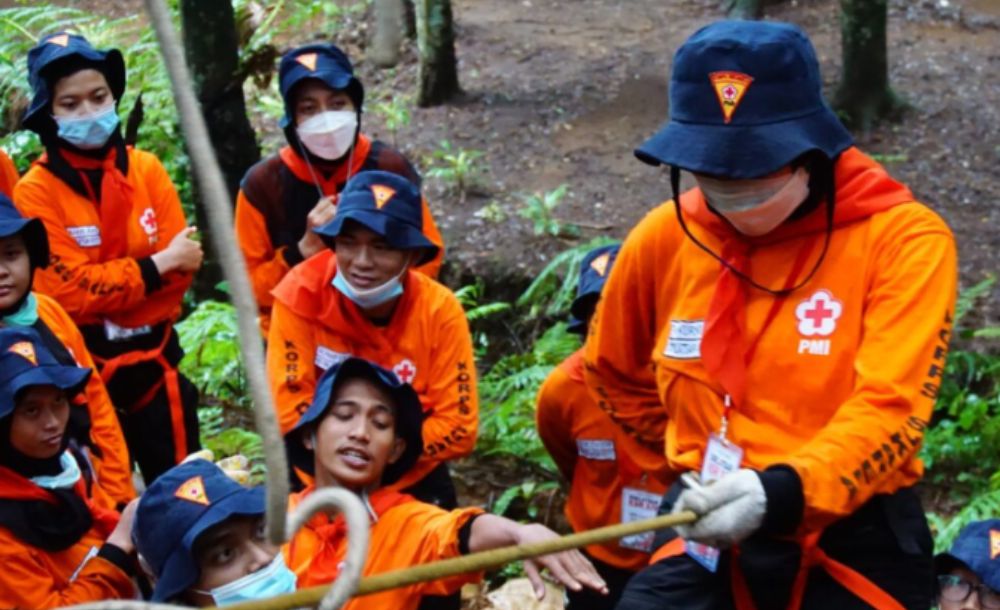
Korps Sukarela is widely known as a volunteer corps that focuses on humanitarian service and community support. The term itself means “volunteer corps,” representing groups of individuals who dedicate their time and skills to helping others without expecting financial rewards. These volunteers often work in disaster relief, health campaigns, social programs, and community development initiatives. Through collective efforts, Korps Sukarela members aim to improve the well-being of communities and strengthen the spirit of compassion. The organization has gained recognition for its ability to mobilize volunteers quickly in times of crisis while also supporting long-term social development projects.
Meaning and Purpose of Korps Sukarela
The main purpose of Korps Sukarela is to promote volunteerism and encourage people to participate in humanitarian activities. Volunteers join the corps because they believe in helping others and contributing to society in meaningful ways. Their work often focuses on assisting communities that face difficulties such as natural disasters, health challenges, or limited access to education. By organizing volunteers into a structured group, Korps Sukarela ensures that humanitarian efforts are coordinated and effective. This approach allows volunteers to respond quickly to emergencies and deliver support where it is needed the most.
Historical Background of Korps Sukarela
The history of Korps Sukarela is closely connected to the growth of volunteer movements in Southeast Asia, particularly in Indonesia. During the mid-twentieth century, many communities relied on volunteers to assist with health care, disaster response, and social support programs. These early volunteer efforts eventually evolved into organized groups that operated under structured humanitarian organizations. Over time, Korps Sukarela became a recognized volunteer corps known for providing training and coordinating community service activities. The historical development of the organization reflects the growing importance of volunteerism in strengthening social solidarity and community resilience.
Organizational Structure of Korps Sukarela
Korps Sukarela operates through a structured system that includes local, regional, and national levels of coordination. Local units are usually based in communities, schools, or universities where volunteers actively participate in social and humanitarian programs. Regional teams help coordinate training, resources, and communication between different volunteer groups. At the national level, larger organizations oversee policies, partnerships, and disaster response strategies. This multi-level structure allows the volunteer corps to operate efficiently while maintaining strong connections with local communities.
Core Values of Korps Sukarela
The work of Korps Sukarela is guided by strong humanitarian values such as compassion, neutrality, and voluntary service. Volunteers are trained to provide assistance to anyone in need without discrimination or bias. This principle ensures that humanitarian support reaches people regardless of their background, religion, or social status. Another important value is unity, which encourages volunteers to work together as a team to achieve common goals. These core principles form the foundation of the organization and help maintain trust within the communities it serves.
Role in Disaster Relief
One of the most important roles of Korps Sukarela is assisting communities during natural disasters and emergencies. Volunteers often act as first responders who provide immediate assistance to people affected by floods, earthquakes, or other disasters. They help evacuate residents, distribute food and water, and provide first aid to injured individuals. Their quick response can significantly reduce the impact of disasters on local communities. By working alongside emergency services and humanitarian organizations, Korps Sukarela ensures that relief efforts reach victims as quickly as possible.
Contribution to Public Health
Korps Sukarela also plays a vital role in improving public health within communities. Volunteers frequently organize health awareness campaigns, vaccination drives, and blood donation events. These activities help increase access to medical support, especially in rural areas where healthcare services may be limited. In addition, volunteers educate communities about hygiene, disease prevention, and healthy lifestyles. Their efforts support government health initiatives and help create healthier environments for families and individuals.
Educational and Social Development Programs
Education is another area where Korps Sukarela volunteers make a meaningful impact. Many volunteers organize tutoring sessions, literacy programs, and youth mentoring initiatives to support students and young people. These programs aim to provide knowledge and guidance that can improve future opportunities for individuals in underserved communities. Volunteers also participate in social development projects such as community workshops and skill-building activities. Through these efforts, Korps Sukarela contributes to both personal growth and community empowerment.
Environmental Protection Activities
In recent years, environmental conservation has become an important focus for many Korps Sukarela groups. Volunteers organize tree-planting campaigns, clean-up drives, and environmental awareness programs. These initiatives encourage communities to take responsibility for protecting their natural surroundings. By promoting sustainable practices such as recycling and waste reduction, volunteers help reduce environmental damage. Their work demonstrates how volunteer organizations can play a role in addressing global environmental challenges at the local level.
Youth Participation in Korps Sukarela
Young people form a large portion of the Korps Sukarela membership, especially in schools and universities. Students often join the volunteer corps to gain experience in community service and leadership. Through participation, they learn valuable skills such as teamwork, communication, and problem-solving. These experiences not only help communities but also shape the personal development of young volunteers. Many participants carry the values of volunteerism into their future careers and continue contributing to society in different ways.
Impact on Communities
The impact of Korps Sukarela on communities can be seen through its wide range of humanitarian activities. Volunteers provide essential support during disasters, assist in health campaigns, and help improve education opportunities. Their presence strengthens community resilience by encouraging cooperation and mutual support among residents. Many communities rely on these volunteer groups as a dependable source of assistance during difficult times. The positive influence of Korps Sukarela highlights the power of collective action and shared responsibility.
Challenges Faced by Volunteer Corps
Despite its important role, Korps Sukarela faces several challenges in carrying out its activities. Limited funding and resources can sometimes restrict the scale of volunteer programs and training opportunities. Volunteers may also experience physical and emotional stress when responding to disasters or humanitarian crises. Maintaining consistent participation can be difficult as volunteers balance their service with personal and professional responsibilities. Addressing these challenges requires strong leadership, community support, and continuous development of volunteer programs.
The Future of Korps Sukarela
The future of Korps Sukarela looks promising as more people recognize the importance of volunteerism in modern society. Advances in technology and communication make it easier for volunteers to coordinate activities and respond quickly to emergencies. Partnerships with governments, educational institutions, and humanitarian organizations can further strengthen the impact of volunteer programs. By adapting to new challenges while maintaining its core values, Korps Sukarela will continue to play an important role in building compassionate and resilient communities.
Conclusion
Korps Sukarela represents the true spirit of volunteerism and community service. Through their dedication and teamwork, volunteers provide valuable support in areas such as disaster relief, healthcare, education, and environmental protection. Their work not only helps individuals in need but also strengthens social bonds within communities. The success of the organization demonstrates how collective action can bring positive change and inspire others to participate in humanitarian efforts. As volunteer movements continue to grow around the world, Korps Sukarela will remain an inspiring example of compassion and civic responsibility.
FAQs About Korps Sukarela
-
What is Korps Sukarela?
Korps Sukarela is a volunteer corps made up of individuals who dedicate their time and skills to humanitarian activities such as disaster relief, health campaigns, and community development programs. -
What kind of activities do Korps Sukarela volunteers perform?
Volunteers participate in various activities including emergency response, first aid assistance, blood donation drives, environmental clean-up programs, and educational support for communities. -
Who can join Korps Sukarela?
Anyone who has a passion for helping others and contributing to society can join Korps Sukarela. Many members are students, community members, and professionals who want to take part in volunteer work. -
Why is Korps Sukarela important for communities?
Korps Sukarela helps communities during disasters, promotes health awareness, supports education programs, and encourages environmental protection, making communities stronger and more resilient. -
What skills can volunteers gain from joining Korps Sukarela?
Volunteers can develop valuable skills such as leadership, teamwork, communication, emergency response, and problem-solving while actively serving their communities.