


















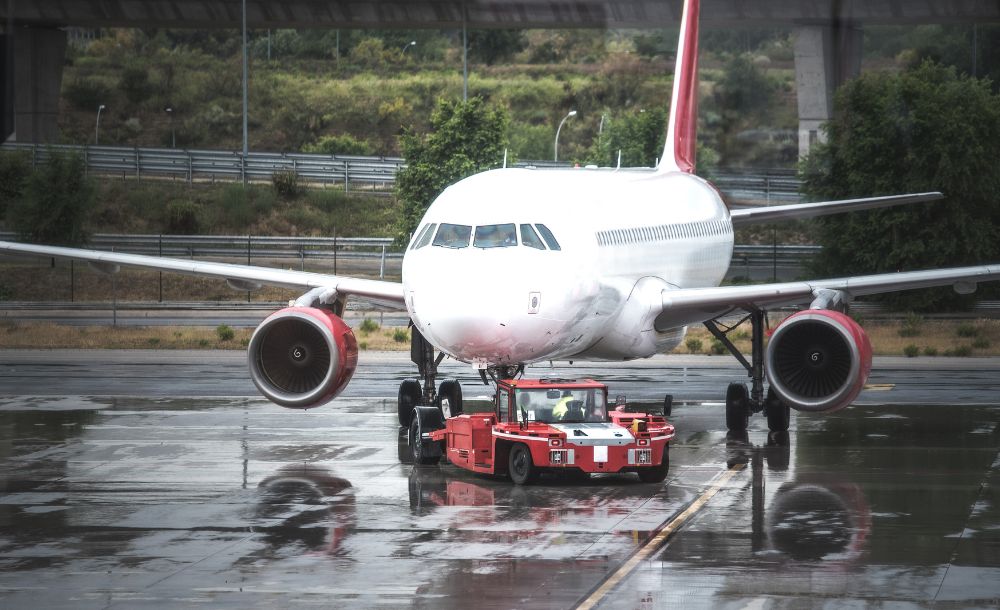
British Airways Emergency Flight BA286, operating from San Francisco to London Heathrow, became the center of attention when an unexpected emergency forced it to divert to Vancouver. The Airbus A380, carrying hundreds of passengers, experienced a situation where several crew members felt unwell, prompting the captain to prioritize safety over schedule. This incident highlights how modern aviation protocols manage emergencies to ensure passenger and crew safety even in high-stakes scenarios.
Overview of the BA286 Route and Aircraft
The BA286 route is a long-haul journey connecting two major international hubs. The aircraft involved, an Airbus A380, is renowned for its advanced technology, double-deck layout, and capacity to handle transatlantic flights safely. Despite its size and engineering sophistication, the human element skilled pilots and cabin crew remains essential in managing emergencies and ensuring the flight’s safe operation under unusual circumstances.
Timeline of the Emergency Situation
The flight initially proceeded normally, with passengers enjoying routine services. Hours into the journey, crew members began reporting health issues, which created concern in the cockpit. The captain evaluated the situation, considering potential cabin smoke or fumes, and made the critical decision to divert to Vancouver. This timeline illustrates the rapid decision-making and structured emergency protocols that define airline safety operations.
The Moment the Emergency Was Declared
Declaring an emergency in aviation signals that immediate action is required. Pilots communicate with air traffic control to prioritize landing and coordinate assistance. In the case of British Airways Emergency Flight BA286, the declaration allowed controllers and airport teams to prepare Vancouver International Airport for a safe landing. This ensured that medical personnel and emergency responders were ready to provide care for the crew upon arrival.
Why the Crew Issued a General Emergency Signal
The crew activated the standard “squawk 7700” emergency code, alerting authorities to a serious onboard situation. Multiple crew members experiencing symptoms prompted this precaution. Even when the exact cause of distress is uncertain, aviation protocols dictate immediate reporting to minimize risk and secure necessary support, demonstrating the industry’s proactive approach to passenger and crew safety.
Air Traffic Control and Emergency Procedures
Air traffic control coordinates every aspect of an emergency landing, from runway clearance to deployment of emergency services. Once BA286 signaled distress, Vancouver controllers ensured the aircraft had a clear path, while firefighters, medical teams, and ground support prepared for immediate assistance. Such coordination underscores the global aviation system’s ability to manage crises efficiently and systematically.
What Caused the Emergency on BA286
Investigations indicated that crew members may have suffered from smoke or fumes inside the cabin, triggering the emergency. Modern aircraft are equipped with detectors and ventilation systems to handle such risks, yet pilots treat any indication of health threats seriously. The precautionary diversion ensured that the situation was controlled and no passengers were harmed, reflecting the effectiveness of aviation safety measures.
The Emergency Landing in Vancouver
Landing a fully loaded Airbus A380 in an emergency situation demands precision and experience. Pilots selected Vancouver International Airport as a suitable diversion point, where emergency vehicles and medical teams awaited. The landing proceeded smoothly, and affected crew members received immediate medical attention, demonstrating the success of combined pilot skill, aircraft technology, and airport preparedness.
Passenger Experience During the Flight
Passengers noted that the flight initially seemed normal, but later announcements indicated a diversion due to a medical emergency. Clear communication from the cockpit helped maintain calm and trust. Cabin crew professionalism ensured passengers felt supported throughout, highlighting the importance of trained personnel in managing anxiety during unexpected in-flight events.
Safety Systems on Modern Aircraft
Commercial aircraft are equipped with multiple safety systems, including smoke detectors, redundant electrical systems, and advanced navigation aids. Pilots regularly train to manage emergencies such as smoke events, medical issues, and diversions. The BA286 incident demonstrates how these systems, combined with experienced crew judgment, provide multiple layers of protection for passengers and crew alike.
How British Airways Responded to the Incident
Following the safe landing, British Airways issued statements prioritizing safety and offered support to passengers, including alternative travel arrangements. The airline also conducted technical inspections and medical evaluations for affected crew. This response emphasizes the aviation industry’s commitment to transparency, accountability, and passenger care during and after emergencies.
Lessons Learned from the BA286 Emergency
The incident reinforced the need for rapid decision-making, effective communication, and preparedness in aviation operations. Monitoring cabin conditions and addressing crew health issues promptly prevented a potentially serious situation from escalating. Lessons from BA286 continue to inform airline safety policies, training programs, and aircraft design improvements.
Conclusion
British Airways Emergency Flight BA286 serves as a reminder of the robust safety culture in modern aviation. Despite the unexpected medical emergency, the coordinated response between pilots, cabin crew, air traffic control, and emergency responders ensured a safe outcome. Passengers reached their destination unharmed, and the event highlights how training, technology, and teamwork combine to protect lives at every stage of air travel.
FAQs About British Airways Emergency Flight BA286
1. What happened on British Airways Flight BA286?
Several crew members fell ill mid-flight, prompting an emergency diversion to Vancouver.
2. Where was BA286 flying from and to?
The flight operated between San Francisco and London Heathrow.
3. What aircraft was used for BA286?
An Airbus A380, capable of long-haul flights with hundreds of passengers.
4. Were passengers injured during the incident?
No passengers were injured; affected crew received precautionary medical care.
5. Why do pilots declare emergencies during flights?
Emergencies ensure priority landing and rapid response to potential threats to safety.